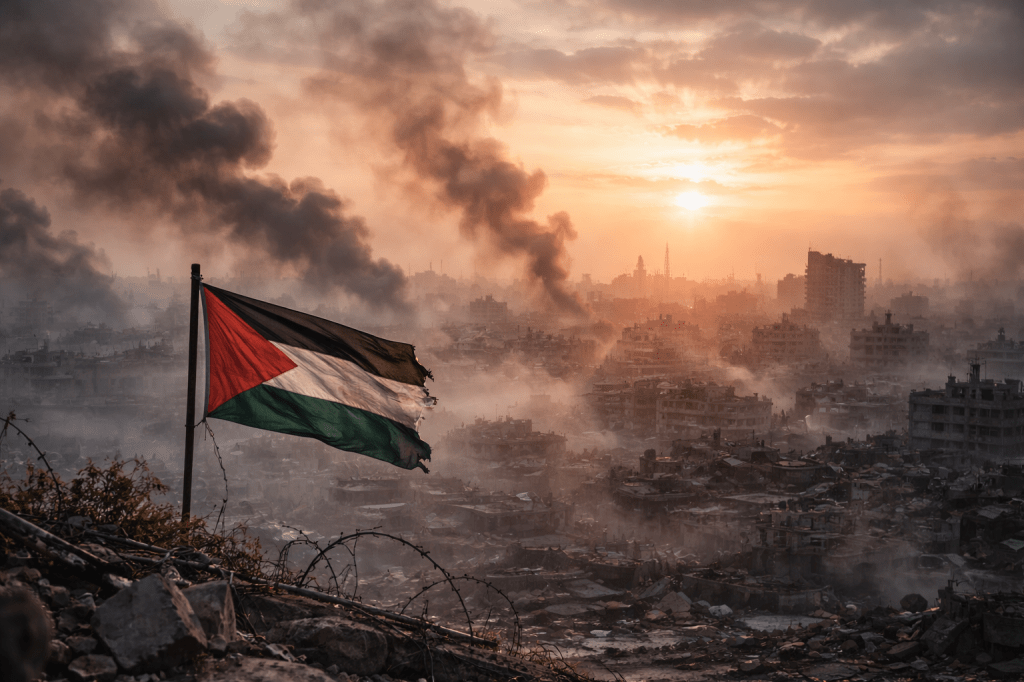
What has unfolded in Gaza since late 2023 is not only a humanitarian catastrophe or a prolonged military confrontation. It is also a moment of moral exposure for the international system. The violence itself is devastating, but what lingers more painfully is the uneven way in which that violence is acknowledged, justified, or quietly ignored.
In theory, international politics claims to be guided by universal principles: the protection of civilians, proportionality, humanitarian law, and the pursuit of peace. In practice, Gaza has revealed how conditional those principles can become once they collide with strategic interests, alliances, and political convenience. The problem is no longer the absence of norms, but the selective way they are applied.
Civilian suffering in Gaza has been widely documented. The scale of destruction, displacement, and human loss has been impossible to conceal. Yet the dominant international response has oscillated between cautious statements, delayed concern, and carefully worded silences. Calls for restraint often lack urgency, while appeals for ceasefires are diluted by political calculations. This gap between declared values and actual behavior is not accidental; it reflects a deeper erosion of moral consistency in global politics.
What is most troubling is how quickly civilian suffering becomes a secondary issue once the language of security takes over. The framing shifts from human lives to strategic narratives, from humanitarian urgency to geopolitical positioning. In this environment, peace is no longer treated as an immediate necessity but as a distant, abstract objective—something to be discussed after “security conditions” are met, even as those conditions remain undefined.
From a peace-oriented perspective, this logic is deeply flawed. Peace cannot be postponed indefinitely in the name of security, especially when security itself is producing widespread civilian harm. When international actors tolerate this contradiction, they do not remain neutral; they actively contribute to the normalization of prolonged violence. Silence, in such moments, is not a passive stance—it is a political choice.
The Gaza war has also exposed the limits of credibility in international diplomacy. When similar humanitarian crises are met with strong language in some contexts and cautious ambiguity in others, the idea of a rules-based order loses its meaning. For societies watching from the outside, this inconsistency reinforces the perception that international law is not universal, but negotiable.
This is not an argument about taking sides in a conflict. It is an argument about taking sides with civilians. A peace-driven position does not require moral perfection, but it does require moral clarity. If the protection of civilians is truly a universal principle, then it cannot depend on geography, identity, or political alignment.
Ultimately, Gaza is forcing the international community to confront an uncomfortable question: is peace still a guiding objective, or has it become a rhetorical placeholder—invoked when convenient, ignored when costly? The answer to that question will shape not only the future of Gaza, but the credibility of international politics itself.
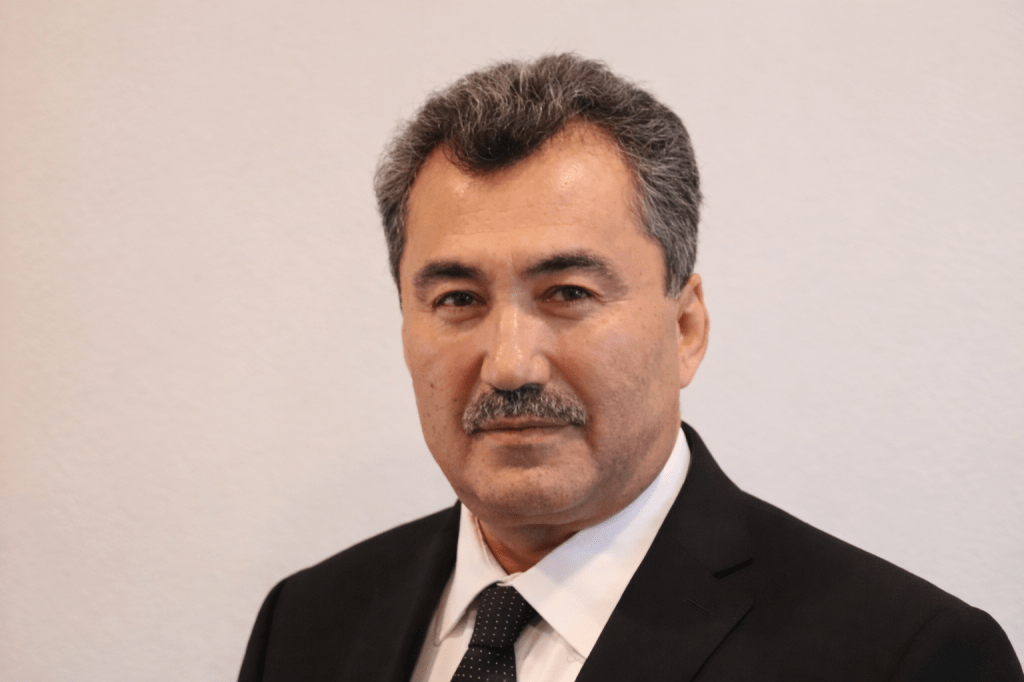


 Ahmet Tümer