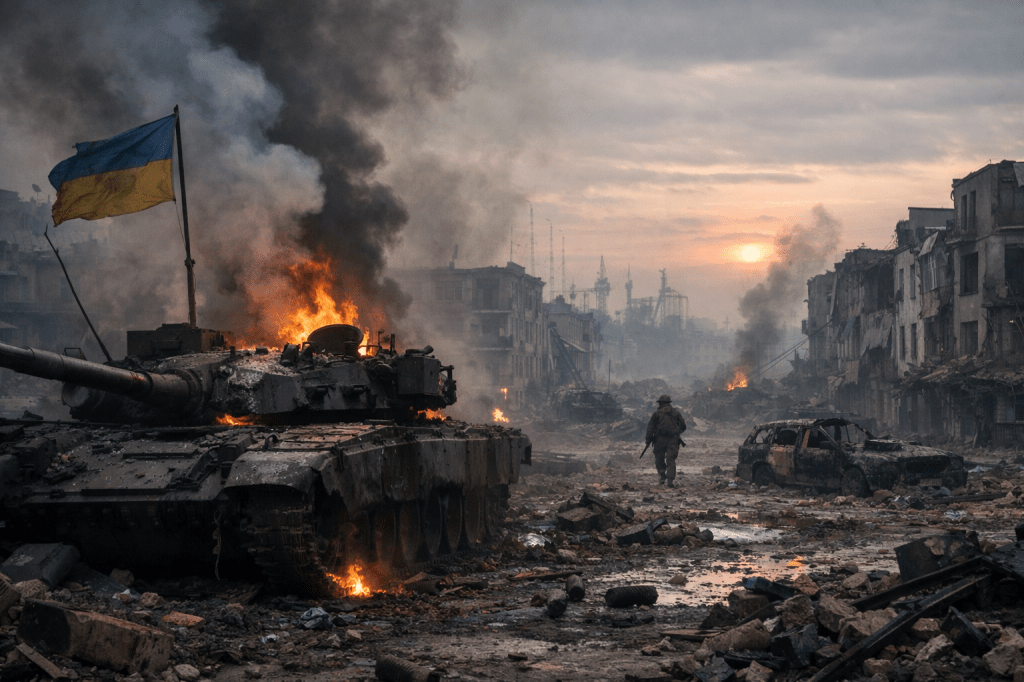
By 2024, the war in Ukraine has entered a phase that is politically uncomfortable but strategically revealing. The initial sense of urgency that once dominated international discourse has gradually been replaced by something quieter and more dangerous: war fatigue. This fatigue is no longer confined to societies or media cycles; it has begun to shape diplomatic priorities and policy choices.
When the conflict escalated in February 2022, Ukraine quickly became a central reference point for debates on sovereignty, deterrence, and international order. Throughout 2023, the focus shifted toward sustaining military support and preserving strategic unity among allies. In 2024, however, the conversation has subtly changed. The central question is no longer how the war might end, but how long it can be managed without a decisive political resolution.
War fatigue rarely presents itself openly. It appears through delays, cautious phrasing, and an increasing reliance on “realistic expectations.” Diplomatic statements grow repetitive, peace initiatives remain abstract, and discussions of ceasefires are deferred in favor of maintaining an uneasy status quo. Endurance replaces imagination, and stability is mistaken for progress.
From a peace-oriented perspective, this shift is deeply concerning. Fatigue does not open pathways to peace; it normalizes prolonged violence. As the costs of war become familiar, the incentive to pursue difficult diplomatic compromises weakens. The conflict ceases to be treated as an emergency requiring resolution and instead becomes a permanent feature of international politics.
What makes this moment particularly critical is the uneven distribution of war fatigue. While political and strategic debates revolve around sustainability and risk management, civilians continue to experience the war as an ongoing reality. Displacement, infrastructure destruction, and insecurity persist, even as global attention gradually diffuses.
In 2024, discussions surrounding Ukraine increasingly center on capacity—how much support can be maintained, how long unity can last, and how escalation can be avoided. These questions are legitimate, but insufficient. A strategy focused solely on managing risk, without articulating a credible vision for peace, risks prolonging the instability it claims to contain.
This is not an argument for rushed or superficial negotiations. Sustainable peace cannot emerge from exhaustion alone, nor can it be imposed through impatience. Yet peace is equally unlikely to materialize through indefinite postponement. When diplomatic energy is consumed entirely by managing the present, the future quietly disappears from the agenda.
The implications extend beyond Ukraine. If war fatigue becomes an accepted feature of international crises, it establishes a precedent in which conflicts are endured rather than resolved. War ceases to be seen as a failure of politics and becomes an ordinary condition of global order.
Ultimately, the defining challenge of 2024 is not the absence of diplomatic tools, but the absence of urgency behind them. Peace requires sustained political will. Without it, fatigue hardens into policy—and war becomes routine.
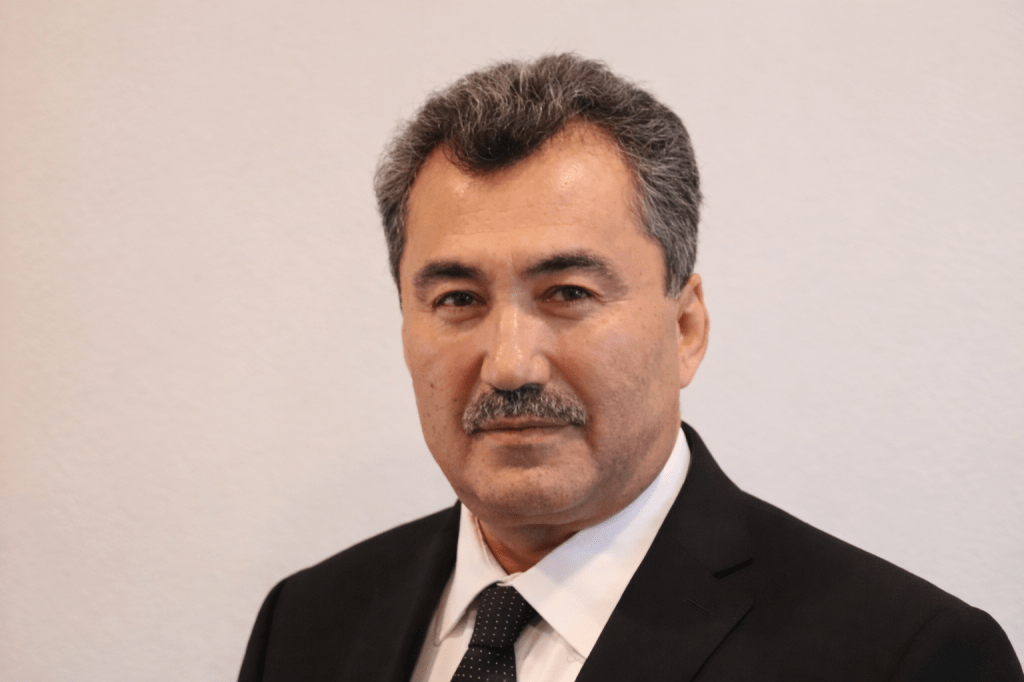
 Ahmet Tümer