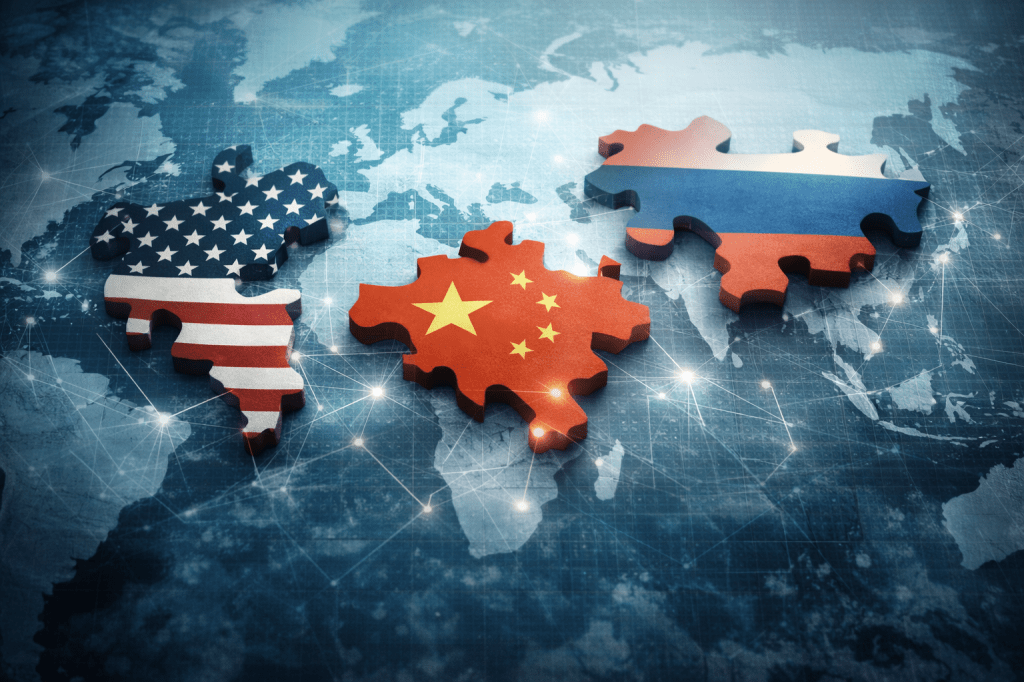
For much of the past decade, multipolarity has been presented as an implicit promise. As the dominance of a single power erodes, a more balanced, more just, and ultimately more peaceful international order is often assumed to follow. By 2024, however, the lived reality of multipolarity suggests a more sobering conclusion: fragmentation does not automatically produce stability.
The contemporary international system is no longer organized around a clear hierarchy. Power is distributed across multiple centers, each with its own interests, priorities, and narratives. In theory, this diffusion should reduce unilateral dominance and create space for dialogue. In practice, it has often produced ambiguity, rivalry, and a lack of shared responsibility.
What multipolarity has weakened most visibly is the idea of collective restraint. In a fragmented system, accountability becomes diluted. Crises are no longer addressed through coordinated frameworks, but through parallel, often competing initiatives. The absence of a common reference point makes it easier for actors to justify inaction, delay, or selective engagement.
From a peace-oriented perspective, this presents a serious challenge. Peace does not emerge simply because power is divided; it emerges when power is disciplined by norms, institutions, and political will. Multipolarity without cooperation risks becoming a landscape of unmanaged competition.
In 2024, this dynamic is visible across multiple regions. Conflicts persist not because solutions are unavailable, but because responsibility is diffused. Diplomacy becomes reactive, and peace initiatives struggle to gain traction.
Another overlooked consequence of multipolarity is narrative fragmentation. Competing interpretations of international law and legitimacy coexist without arbitration, weakening the normative foundations of peace.
This is not an argument for unipolar dominance. But neither should multipolarity be romanticized. Without coordination and shared responsibility, it becomes a permissive environment for prolonged instability.
Peace in a multipolar world requires intention, restraint, and renewed commitment to multilateral practice. Without these, peace does not collapse suddenly—it slowly fades.

 Ahmet Tümer