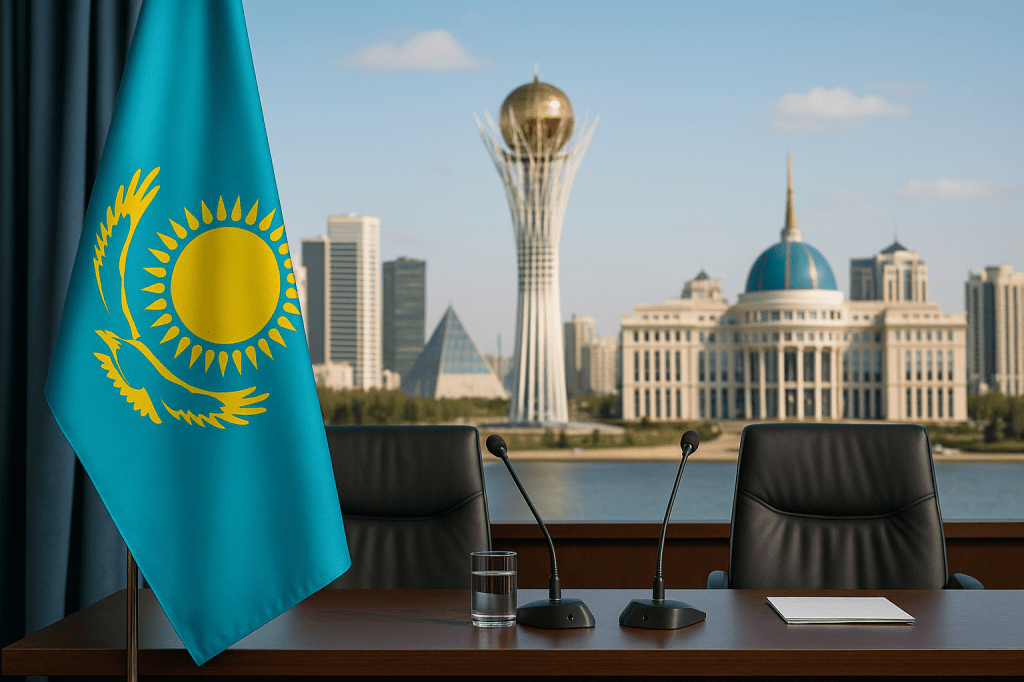
In 2024, Kazakhstan continued to pursue a multi-vector balancing strategy in its foreign policy and projected an increasingly independent profile in the international arena. Under President Kassym-Jomart Tokayev, the country focused on carefully balancing its relations with major powers – Russia, China and the West – while strengthening its strategic neutrality. This approach allows Kazakhstan to prioritize its own national interests and build resilience against geopolitical pressure.
Under Tokayev, Kazakh diplomacy has become more professional and goal-oriented, and the country has increasingly positioned itself as a middle power. In line with this vision, Kazakhstan has directed its resources more towards tangible progress in its immediate neighborhood, rather than global-scale initiatives as seen under former president Nursultan Nazarbayev.
As a result, Kazakhstan’s peaceful and economically pragmatic multi-vector foreign policy evolved further in 2024 into a more autonomous and multidimensional diplomacy. The country is working to turn great-power competition to its advantage by forging diverse partnerships in the fields of economy, energy and technology, while at the same time aiming to strengthen regional stability. This strategy consolidates Kazakhstan’s role in the international system and has made it an actor that is increasingly able to defend its own agenda with confidence.
Relations with Russia (Energy, Security and the Ukraine War Context)
Russia remains one of Kazakhstan’s closest neighbors and historical partners and continued to hold a special place in Astana’s foreign policy in 2024. However, relations with Moscow have required a carefully calibrated balance, particularly under the shadow of the war in Ukraine.
Kazakhstan has adopted an officially neutral stance, repeatedly emphasizing respect for Ukraine’s territorial integrity and refusing to recognize the territories annexed by Russia after the 2022 invasion. Tokayev has made it clear that Kazakhstan will not provide military or political support to Russia in the war, while at the same time avoiding direct confrontation with Moscow.
Astana has pledged not to help circumvent Western sanctions on Russia, yet it has not cut its economic ties with Moscow. Trade volumes between the two countries have remained high, with bilateral trade reaching record levels in recent years and staying elevated in 2024 as well. Part of this trade includes dual-use goods that Russia needs under sanctions, which has drawn international attention. Russian companies, seeking alternative markets, have increasingly turned to Kazakhstan; a significant share of foreign-owned firms registered in Kazakhstan are now Russian.
In the energy sphere, Kazakhstan remains critically dependent on Russia. Roughly 79% of Kazakh oil exports – a key pillar of the national economy – flow through the Caspian Pipeline Consortium (CPC) route to Russia’s Novorossiysk port on the Black Sea. Moscow has already shown twice that it can temporarily halt this route, reminding Astana of its vulnerability regarding energy security. Moreover, Russia has a notable role in Kazakhstan’s strategic uranium sector, with Rosatom holding a substantial stake in a major uranium field.
In the security domain, Kazakhstan and Russia are formally allies within frameworks such as the Collective Security Treaty Organization (CSTO), but the war in Ukraine has changed how Astana perceives Moscow. Tokayev has openly stated that Russia is no longer seen as an unquestioned security guarantor, as it might have been in the past. While many in Kazakhstan still remember that CSTO forces led by Russia helped stabilize the country during the January 2022 unrest, the government has nonetheless moved in 2024 to strengthen its own national defense capacity.
In this context, Kazakhstan has pursued reforms within its Ministry of Defense, expanded the capacity of its Special Forces and created new “territorial defense units” as regional militia-type forces. These moves, criticized in some Russian military circles, signal Kazakhstan’s desire to stand on its own feet in the face of potential threats.
Despite these sensitivities, high-level political dialogue between the two countries has continued throughout 2024. Tokayev and Russian President Vladimir Putin have met frequently in person or by phone, reiterating the rhetoric of strategic partnership. Tokayev has repeatedly stressed that there are no serious problems in relations with Russia and that bilateral ties preserve their “strategic partnership spirit,” while Putin seeks assurances about Kazakhstan’s loyalty.
At the same time, Kazakhstan has taken steps to deepen engagement with the West – such as sending ministers to Washington and European capitals to discuss sanctions compliance and economic cooperation – and has balanced this with regular visits to Moscow and intense bilateral contact. This dual approach allows Astana to protect its economic interests while minimizing geopolitical risks, and illustrates a strategy of “pleasing both sides without fully aligning with either.”
Relations with China (Belt and Road Initiative and Economic Cooperation)
In 2024, China emerged as at least as important a partner for Kazakhstan as Russia, especially in economic terms. Available data show that China has become Kazakhstan’s largest trading partner. The two countries define their relationship as a “permanent comprehensive strategic partnership,” drawing on the historical legacy of the Silk Road and more than three decades of diplomatic relations since 1992.
The main theme in 2024 was the deepening of economic and infrastructure cooperation within the framework of China’s Belt and Road Initiative (BRI). In July 2024, Chinese President Xi Jinping paid a state visit to Astana. During this visit, the two leaders announced ambitious future plans and set new targets for their bilateral relationship. China and Kazakhstan pledged to double their bilateral trade volume as soon as possible and agreed to implement concrete projects in a wide range of areas, from the economy and trade to agriculture, energy and technology.
Within BRI, the two sides prioritized the development of transport and logistics corridors. A key focus has been the Trans-Caspian International Transport Route (the Middle Corridor) as well as the construction of a third cross-border railway line between China and Kazakhstan. The effective use of the Middle Corridor – connecting China to Kazakhstan, then through the Caspian Sea to the South Caucasus, Türkiye and Europe – has gained strategic significance as the northern route via Russia became risky due to the war in Ukraine. President Tokayev has repeatedly emphasized the need to upgrade infrastructure and streamline transit procedures so that this corridor can function as a vital artery for regional trade.
Cooperation goes far beyond transportation. During Xi’s visit, the two countries signed more than twenty agreements and memoranda of understanding in areas such as economy, trade, investment, energy, agriculture, science and technology, and cultural exchange. These include projects in critical minerals, renewable energy, the digital economy, aviation and space – all of which are new and strategic sectors for Kazakhstan’s development.
Kazakhstan is rich in rare earths and critical minerals, making it a highly attractive partner at a time when the world is trying to reduce dependence on Chinese and Russian supplies by diversifying sources. In 2024, Kazakhstan leveraged this comparative advantage, attracting attention not only from China but also from Western economies. Astana is negotiating agreements on the supply of critical raw materials with multiple partners, pursuing a strategy of diversification and value addition.
Within BRI, China has become one of Kazakhstan’s largest investors in infrastructure: highways, railways, logistics hubs and cross-border trade facilities have been built with Chinese support. By 2024, the volume of BRI-related investments in Kazakhstan had reached several billions of dollars, making the country one of the top recipients of BRI funds in the region.
A notable dimension of the 2024 agenda has been people-to-people and cultural ties. During Xi’s visit, the two sides agreed to open a campus of Beijing Language and Culture University in Astana and to establish a second “Luban Workshop” (a Chinese vocational training center) in Kazakhstan. They also agreed that 2025 would be designated as the “Year of Chinese Tourism in Kazakhstan,” while 2024 was already celebrated as the “Year of Kazakh Tourism in China.” These initiatives aim to solidify the partnership not only at the elite level but also among ordinary citizens and younger generations.
On regional and global issues, Kazakhstan and China have maintained close cooperation in platforms such as the United Nations, the Shanghai Cooperation Organization (SCO) and the China–Central Asia mechanism. Both countries advocate for a more multipolar and “fairer” world order, frequently echoing similar narratives in international forums. In short, 2024 can be described as a golden period in Kazakhstan–China relations, marked by deeper economic integration, strategic transport projects and a comprehensive political alignment.
Relations with Türkiye (Within the Organization of Turkic States and Bilateral Ties)
Türkiye occupies a special place in Kazakhstan’s foreign policy as the first country to recognize Kazakh independence and as a partner linked by common cultural and historical ties. In 2024, Kazakhstan–Türkiye relations continued to grow both bilaterally and within the framework of the Organization of Turkic States (OTS).
Leaders of the two countries frequently met and exchanged messages of friendship. President Tokayev and President Recep Tayyip Erdoğan held talks at various international summits. In November 2024, they met on the sidelines of the OTS Summit in Bishkek, where they reaffirmed their shared vision for solidarity within the Turkic world.
As a founding and active member of the OTS, Kazakhstan attaches great importance to Turkic cooperation. In 2024, the organization marked its 15th anniversary; the 11th OTS Summit was held on 6 November 2024 in Bishkek. At this summit, Kyrgyzstan assumed the rotating chair from Kazakhstan. Tokayev, representing the outgoing chair, summarized the achievements of the previous period and stressed the importance of economic, digital and cultural integration in the Turkic world.
During Kazakhstan’s chairmanship under the slogan “TURKTIME!”, more than 80 events and projects were implemented, including the 5th World Nomad Games hosted by Astana in 2024. A historic step was also taken in 2023 when the OTS adopted the decision to transition to a common Turkic alphabet, and progress continued on this front in 2024. Another significant institutional development was the introduction of permanent representations of member states at the OTS, strengthening its bureaucratic and diplomatic capacity.
Tokayev noted at the Bishkek summit that intra-Turkic trade had exceeded 45 billion dollars by 2024 – a clear sign of the growing economic cooperation. Türkiye is among Kazakhstan’s top five trading partners, and bilateral trade has been approaching the 5 billion dollar mark. Both sides have repeatedly set a target of raising this figure to 10 billion dollars in the medium term.
To reach that goal, they are working to diversify trade, promote joint industrial investments and strengthen logistics connectivity. A central issue here is the Trans-Caspian Middle Corridor, which connects Kazakhstan through the Caspian Sea and South Caucasus to Türkiye and Europe. Both countries view this route as a strategic priority. Türkiye has launched a 100 million dollar investment plan to build logistics centers in Kazakhstan, aiming to enhance the capacity and reliability of this corridor. In this way, the Hazar (Caspian) route is being developed as a viable alternative to routes that might be disrupted through the Black Sea or other regions.
Investment and defense cooperation are also key components of the partnership. Between 2005 and 2024, Türkiye invested around 5.2 billion dollars in Kazakhstan, and more than 3,500 Turkish companies operate in the country. Kazakh investments in Türkiye have grown significantly in recent years; after a modest 8 million dollars in 2023, Kazakh capital inflows surpassed 600 million dollars in the first months of 2025, reflecting rapidly expanding ties. In 2024, new projects in energy, petrochemicals, mining, agriculture and infrastructure came onto the agenda, and contacts in defense industry and military training intensified. Kazakhstan is particularly interested in Turkish defense products and is exploring opportunities for joint production and technology transfer.
In the political field, mechanisms such as the High-Level Strategic Cooperation Council and TURKPA (Parliamentary Assembly of Turkic States) help institutionalize dialogue. Preparations for new Council meetings continued through 2024, with frequent exchanges between technical and ministerial delegations.
Cultural and human ties have also strengthened. In 2024, around 863,000 Kazakh citizens visited Türkiye for tourism or business, while roughly 130,000 Turkish citizens visited Kazakhstan. This makes Türkiye one of the most popular foreign destinations for Kazakhs and contributes to mutual familiarity between the two societies.
In education, more than 12,000 Kazakh students are studying in Türkiye, some of them on scholarship programs. For the 2024–2025 academic year, Türkiye allocated 300 scholarship slots specifically for Kazakh students. This supports Tokayev’s emphasis on youth, education and human capital development as key pillars for the future of the Turkic world. An important step in this regard was the decision for Turkey’s respected Gazi University to open a branch in Kazakhstan, exemplifying the idea of establishing shared academic institutions in member states.
In short, 2024 was a year in which Kazakhstan and Türkiye deepened their political, economic and cultural ties and strengthened regional solidarity under the umbrella of the Organization of Turkic States. Both countries are committed to developing their multidimensional strategic partnership not only for mutual benefit but also for the stability and prosperity of the wider Eurasian region.
Relations with the West (EU and the US)
In Kazakhstan’s 2024 foreign policy, relations with the Western world – particularly the European Union (EU) and the United States (US) – have been conducted within the framework of a carefully managed balancing policy. While maintaining close ties with Russia and China, Astana has sought to deepen economic partnerships with the EU and the US and to build constructive dialogue on global issues.
As part of its multi-vector strategy, the Tokayev administration has emphasized diversification in ties with the West, aiming to increase foreign policy autonomy and reduce overdependence on any single actor.
On the EU front, Kazakhstan is the first Central Asian country to have signed an Enhanced Partnership and Cooperation Agreement with Brussels. In 2024, trade and investment relations with the EU gained momentum. European countries remain among Kazakhstan’s largest investors, and European companies are active in areas ranging from energy to green economy projects.
The EU, seeking alternatives to reduce its dependence on Russian energy, increasingly sees Kazakhstan as a key supplier and partner. The Memorandum of Understanding on Critical Raw Materials signed in late 2023 began to see more concrete implementation in 2024. Kazakhstan is developing special partnerships with the EU in sectors such as rare earths, lithium and uranium, where the country has significant reserves. These partnerships involve technology transfer and investment in processing facilities, not just raw material exports.
Astana has also explored options with the EU to bypass Russia for oil exports to Europe, including routing Kazakh oil via Azerbaijan and the Baku–Tbilisi–Ceyhan pipeline, or using tanker shipments across the Caspian Sea. These discussions have aimed to create diversification in export routes.
Politically, human rights and democratic reforms remain prominent topics in Kazakhstan–EU dialogue. Following the January 2022 events, Tokayev announced a reform package under the banner of a “New Kazakhstan.” Some steps have been taken, yet many in the West view the pace of democratization as insufficient. In 2024, Western institutions continued to voice concerns about the restricted role of the opposition, limitations on media freedom and constraints on the right to peaceful assembly. Trials and legal pressures involving certain opposition figures and business elites have also drawn criticism.
Kazakh authorities respond by affirming their commitment to gradual reform, while stressing that maintaining the country’s security and stability is an overriding priority. Regular Kazakhstan–EU Human Rights Dialogues provide a platform for discussing these differences openly.
In relations with the United States, a major development has been the institutionalization of the C5+1 platform – which brings together the US and the five Central Asian states. Kazakhstan has welcomed growing American diplomatic attention to Central Asia and has intensified contacts with Washington both bilaterally and within this regional format.
After the first US–Central Asia presidential summit in New York in 2023, ministerial-level meetings followed in 2024. These addressed economic connectivity, climate change and security cooperation. Tokayev has repeatedly underlined that such cooperation does not mean taking a stance against Russia or China; instead, he presents it as an integral part of Kazakhstan’s multi-vector policy.
In the economic sphere, ties with the US focus on energy and technology. Kazakhstan is one of the world’s leading producers of oil and uranium and has long hosted major American energy companies in fields like Tengiz and Kashagan. In 2024, Astana sought to attract more US investment in non-energy sectors – such as renewable energy, grid modernization and the digital economy – and promoted these opportunities at platforms like the Astana International Forum.
There is also emerging potential for cooperation in space and aviation – particularly around the Baikonur Cosmodrome and Kazakhstan’s new space initiatives – where collaboration with NASA and private US companies is being explored.
On security and geopolitics, relations with the West require delicate balancing. Kazakhstan did not formally condemn Russia’s invasion of Ukraine, but consistently affirmed its commitment to international law and pledged to avoid steps that would help circumvent Western sanctions. In 2024, Astana tightened customs controls and introduced measures to prevent the re-export to Russia of goods under sanctions. Western delegations visiting Kazakhstan have generally welcomed these efforts, though there remain concerns that some high-tech products might still reach Russia via third countries.
To address these concerns, Kazakhstan has created bilateral consultation mechanisms: for example, Kazakh financial regulators and the US Treasury held regular meetings in 2024 to discuss sanctions compliance and ensure transparency.
In multilateral diplomacy, Kazakhstan and the West intersect in numerous forums, above all the United Nations. The country continues to support initiatives on nuclear disarmament, climate change and conflict prevention and co-sponsors relevant UN resolutions. In early 2024, Tokayev’s visits to European states, including France and Belgium, helped deepen ties not only with national leaders but also with institutions such as the European Investment Bank and the European Bank for Reconstruction and Development.
In sum, Kazakhstan continues to pursue a pragmatic, diversified and dialogue-oriented diplomacy with the West. Astana neither turns its back on Russia and China nor neglects the EU and the US. Rather, it seeks to maximize benefits from all sides while preserving its strategic autonomy.
Central Asia Regional Cooperation (Uzbekistan, Kyrgyzstan, Tajikistan, Turkmenistan)
One of Kazakhstan’s key foreign policy priorities is to strengthen regional cooperation and integration with its neighbors in Central Asia. In 2024, the five Central Asian republics (Kazakhstan, Uzbekistan, Kyrgyzstan, Tajikistan and Turkmenistan) continued their efforts to draw closer together, and Kazakhstan played a particularly active role in this process.
Astana’s guiding principle can be summed up as: “If the neighbors are strong, Kazakhstan will also be strong.” Tokayev has often expressed this vision by saying, “A successful Central Asia means a successful Kazakhstan.”
Since 2018, the leaders of the five countries have held regular Consultative Meetings. In 2024, the sixth of these summits took place in Astana on 9–10 August under Kazakhstan’s chairmanship. At this summit, the leaders agreed on a long-term document called the Concept for Regional Cooperation until 2040. This roadmap outlines plans for closer cooperation in economic integration, infrastructure connectivity, water and energy sharing, security coordination and cultural exchanges.
The Astana summit discussed concrete ideas such as Uzbekistan’s proposal to create a Central Asian Free Trade Zone and Common Market, as well as Kazakhstan’s suggestion to revive regional water-energy and transport consortia. Tokayev also put forward the idea of establishing a Central Asian Defense and Security Architecture and preparing a regional catalog of security risks. These proposals are significant in that they mark one of the most explicit discussions of collective security within Central Asia.
Implementing such plans raises questions about how they would interact with existing frameworks like the Russian-led CSTO and the Eurasian Economic Union (EAEU). Since Kazakhstan, Kyrgyzstan and Tajikistan are already CSTO members, building a separate regional security mechanism is politically and practically complex. Nevertheless, it is clear that the Central Asian states – including Kazakhstan – increasingly want to take ownership of their own regional security agenda.
In 2024, political and economic ties among Central Asian countries clearly intensified. One indicator is the growing number of alliance and strategic partnership agreements between them. Kazakhstan has been proactive in upgrading ties with its neighbors to allied status. In December 2022, it signed a Treaty on Allied Relations with Uzbekistan, a historic step whose effects became more visible in 2024. In March 2024, Tokayev and Uzbek President Shavkat Mirziyoyev met informally in Khiva and declared that the two countries would act in tandem on regional issues.
Similarly, Kazakhstan strengthened its relations with Kyrgyzstan and Tajikistan, signing or revising treaties on enhanced strategic partnership or alliance. In April 2024, Tajikistan and Uzbekistan also signed an alliance treaty, further contributing to regional trust. These agreements show that intra-regional ties are becoming more institutionalized and binding.
Economically, Kazakhstan is taking concrete steps toward integration. Trade with Uzbekistan – its biggest regional trading partner – is approaching record levels, with a target of 5 billion dollars in annual trade. The two countries are working on establishing joint free trade zones in border areas and integrating value chains in industrial and agricultural products.
Kazakhstan’s relations with Kyrgyzstan remain friendly. Issues such as cross-border water use and transit have occasionally caused tensions, but they have been handled through dialogue. Astana and Bishkek are working on joint projects to integrate regional electricity grids and improve road connections.
With Tajikistan, cooperation is deepening in the fields of energy and transportation, particularly focusing on Tajikistan’s hydroelectric potential and Kazakhstan’s electricity needs, as well as road links that connect the region to the Caspian Sea. With Turkmenistan, 2024 saw progress in cooperation on Caspian Sea transport and energy and on the Kazakhstan–Turkmenistan–Iran railway. Enhancing ferry and cargo connections between Aktau (Kazakhstan) and Turkmenbashi (Turkmenistan) boosts the region’s access to global markets.
Kazakhstan and Uzbekistan, widely seen as co-leaders of the region, share similar views on economic reform and investment climate improvement. In 2024, their coordinated efforts have helped drive regional initiatives, such as working groups on a common electricity market and agreements to simplify cross-border trade procedures.
The “Central Asia 2040” vision document adopted at the Astana summit emphasizes “cooperation” and “common prosperity” rather than formal “integration”, reflecting a preference for a flexible, pragmatic regional approach. This language also helps manage political sensitivities and concerns of external actors, including Russia, which watches these purely regional formats closely and has at times expressed unease.
In the security sphere, the Central Asian states increased cooperation in 2024 on threats emanating from Afghanistan, terrorism, radicalization and drug trafficking. Kazakh security forces participated in several regional conferences and information-sharing mechanisms. Water security became a pressing issue due to summer droughts, prompting technical agreements among Kazakhstan, Kyrgyzstan and Uzbekistan on sharing water resources in the Fergana Valley.
Overall, 2024 demonstrated Kazakhstan’s role as a locomotive of regional cooperation in Central Asia. Astana sees its neighbors’ stability and prosperity as inseparable from its own national interests and pursues policies that bind the region together through dense networks of trade, infrastructure, security cooperation and cultural ties.
Multilateral Diplomacy (UN, SCO, EAEU and Others)
Since independence, Kazakhstan has placed great importance on multilateral diplomacy, and this remained a central pillar of its foreign policy in 2024. The country has actively participated in international and regional organizations, presenting itself as an advocate of dialogue, peace and cooperation.
One of the most important multilateral developments in 2024 was Kazakhstan’s chairmanship of the Shanghai Cooperation Organization (SCO). Holding the rotating presidency for 2023–2024, Kazakhstan hosted the 24th SCO Summit of Heads of State in Astana in July 2024.
Held under the theme “Strengthening Multilateral Dialogue – Towards Sustainable Peace and Prosperity”, the Astana Summit adopted the Astana Declaration and 25 cooperation documents in fields like energy, security, trade, finance and information security. Belarus was formally admitted as a full member, bringing SCO’s membership to ten countries. Under Kazakhstan’s leadership, the SCO held around 150 events, including forums on digital economy, tourism, energy, trade and think-tank networks.
Thanks to Tokayev’s initiatives, the SCO adopted new strategic documents: an anti-drug strategy, a comprehensive economic cooperation plan, an environmental protection agreement and an energy cooperation development strategy. These are aimed at enhancing the organization’s operational effectiveness.
At the Astana Summit, Tokayev emphasized the need for confidence-building measures and stronger cooperation mechanisms. He proposed, among other things, a new agreement on military confidence-building, and closer coordination on combating terrorism, separatism and extremism. Member states broadly welcomed these ideas, and work began on a roadmap for increasing military transparency and cooperation.
In the economic field, Tokayev underscored the importance of creating new growth drivers within the SCO and prioritizing the integration of transport corridors. It was agreed to better align China’s Belt and Road Initiative with the Middle Corridor and North–South Corridor projects. Kazakh initiatives also promoted using the Astana International Financial Centre (AIFC) as a platform for financing SCO investment projects. By the end of its term, Kazakhstan had earned a reputation as a proactive and visionary chair and then passed the presidency to China.
Kazakhstan also remained an active member of the Eurasian Economic Union (EAEU). In 2024, discussions within the EAEU focused on deepening the common market, transitioning to digital customs systems and expanding the union’s network of free trade agreements with third countries. While Astana acknowledges the economic benefits of EAEU membership, it is cautious about steps that might lead to more political integration. Kazakhstan prefers to treat the EAEU primarily as a trade and economic platform, resisting proposals that could limit its sovereignty, such as a common currency or supranational political structures.
In the UN framework, Kazakhstan continued to promote initiatives on nuclear disarmament and a ban on nuclear testing. Every year on 29 August, the International Day Against Nuclear Tests – marking the closure of the Semipalatinsk test site – Astana uses the occasion to reiterate its call for a world free of nuclear weapons.
Kazakhstan’s initiative, the Conference on Interaction and Confidence-Building Measures in Asia (CICA), also made progress in 2024 toward transforming itself into a full-fledged international organization. Through CICA, Astana advocates for a new, more inclusive security architecture in Asia.
Beyond the SCO, EAEU, UN and CICA, Kazakhstan is also active in organizations such as the Organization of Islamic Cooperation (OIC), the Organization of Turkic States (OTS) and the Non-Aligned Movement. In 2024, it supported collective positions on the Palestinian issue and the fight against Islamophobia within the OIC, promoted more coordinated action among Turkic states in international forums through the OTS and voiced the concerns and development priorities of the Global South in the Non-Aligned Movement.
In conclusion, Kazakhstan in 2024 maintained multilateralism as a cornerstone of its foreign policy and played visible roles in regional and global organizations. This broad engagement enhances its international reputation and reinforces its wider multi-vector strategy.
Notable Developments in 2024 (Visits, Agreements and Cooperation)
The year 2024 was marked by intense diplomatic activity, new cooperation initiatives and several strategic decisions in Kazakhstan’s foreign policy. Some of the most notable developments include:
High-Level Visits and Summits
- In July 2024, President Xi Jinping paid a state visit to Kazakhstan. During this visit, historical agreements were signed and a new roadmap was set for bilateral ties.
- Astana hosted the SCO Summit the same month, reaffirming Kazakhstan’s role as a regional diplomatic hub.
- In November 2024, Tokayev participated in the OTS Summit in Bishkek and presented concrete proposals for economic and digital cooperation in the Turkic world.
- Also in November, Tokayev embarked on a European tour including France, Hungary and Serbia, resulting in agreements on investment, energy, space and culture.
- Later in the year, Russian President Vladimir Putin visited Kazakhstan, and the two sides adopted a declaration further detailing their comprehensive strategic partnership.
- In June 2024, Kazakhstan organized the second Astana International Forum (AIF), attracting high-level delegations from various regions and providing a platform for dialogue on global challenges.
Critical Energy and Infrastructure Agreements
- In June 2024, the government announced that it had chosen Russia’s Rosatom as the lead contractor for Kazakhstan’s first nuclear power plant, representing a strategic step for the country’s future energy security.
- Shortly afterward, officials indicated that a second plant could be built with China’s CNNC and a third with France’s EDF, reflecting a multi-vector approach in nuclear cooperation.
- In oil exports, Kazakhstan moved further to diversify routes, advancing technical arrangements with Azerbaijan and Türkiye to integrate Kazakh crude into the Baku–Tbilisi–Ceyhan pipeline and improving Caspian tanker shipments.
- On the transport side, work began on a third China–Kazakhstan cross-border railway, which will significantly expand trade flows between China, Central Asia and Europe once completed.
- Through the newly operational Turkic Investment Fund, Kazakhstan started funding industrial and energy projects in Kyrgyzstan and Uzbekistan, reinforcing its role as a regional investor.
Humanitarian Diplomacy and Crisis Management
- In response to the humanitarian crisis in Ukraine, Kazakhstan sent several shipments of humanitarian aid, including generators, food and medicines, especially before and during the winter.
- Regarding Middle East tensions, especially the Israeli–Palestinian conflict, Kazakhstan called for restraint and reiterated its support for a two-state solution in line with UN resolutions.
- Kazakhstan continued to provide aid to Afghanistan, advocating for the education of Afghan girls and proposing the creation of dedicated funds for this purpose.
- The country contributed observers and specialized personnel to certain UN peacekeeping operations, including missions in Lebanon, thereby raising its visibility in international security efforts.
Defense and Security Cooperation
- In 2024, Kazakhstan participated in various military exercises and joint trainings to improve its armed forces’ readiness.
- Under the CSTO framework, Kazakh units joined exercises such as “Border Shield”.
- Kazakhstan and China held another joint military drill focusing on counter-terrorism scenarios.
- Cooperation with Türkiye in defense industry deepened, including expansion of joint production facilities and technology transfer arrangements.
- Kazakhstan also decided to increase its contribution to UN peace operations, signalling its desire to play a more prominent role in global security.
Cultural and Social Diplomacy
- In September 2024, large-scale events were organized in Turkistan under the framework of the Turkic World Cultural Capital initiative, bringing together artists and delegations from Türkiye, Azerbaijan, Kyrgyzstan, Uzbekistan and other Turkic countries.
- Kazakhstan hosted a Central Asian Music Festival, promoting cultural exchange among the region’s youth.
- Feasibility work began for establishing a regional university focusing on Central Asian studies and cooperation, reflecting the importance attached to shared academic platforms.
Conclusion
Overall, 2024 was a year in which Kazakhstan projected an active, balancing and enterprising foreign policy. The country skillfully managed sensitive balances among major powers while taking concrete steps to enhance cooperation and stability in its own region.
Kazakhstan’s multi-vector approach – maintaining close ties with Russia and China, strengthening its partnership with Türkiye and the Turkic world, expanding engagement with the EU and the US, and promoting regional integration in Central Asia – has begun to yield tangible dividends. At the same time, the country has consolidated its role in multilateral organizations and advanced its image as a promoter of dialogue, peace and cooperation.
All these developments show that Kazakhstan is increasingly positioning itself as a reliable partner in both East and West, and as a leading force for stability and cooperation in Central Asia. The performance of 2024 indicates that Kazakhstan is likely to remain a more visible and influential actor in international affairs in the coming years.
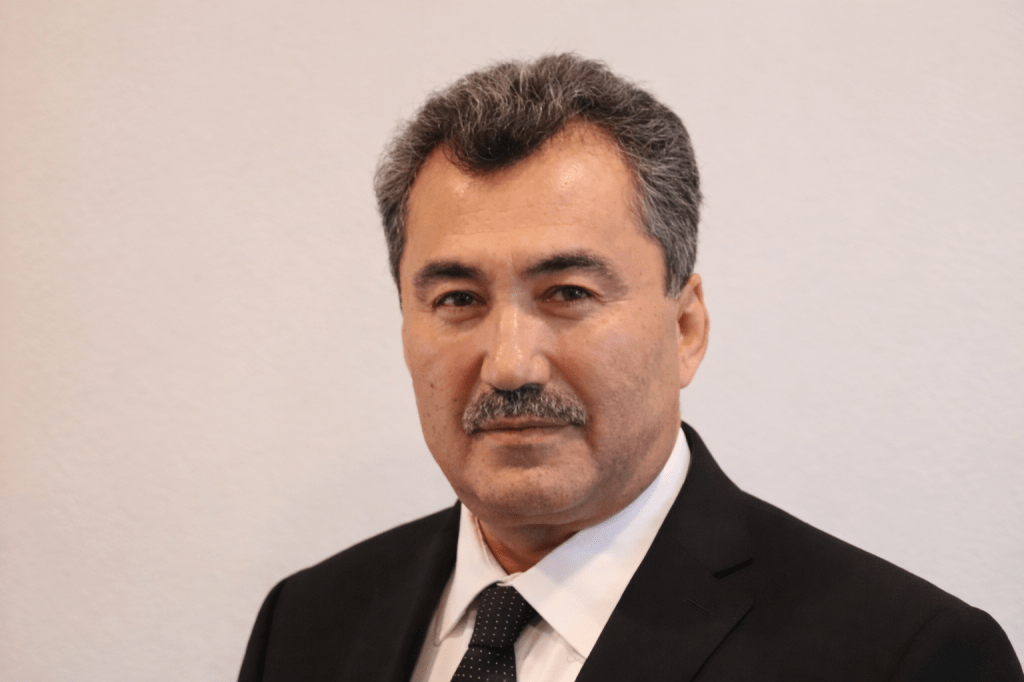

 Ahmet Tümer