
Today, the Uyghur diaspora stands at a historical threshold. This threshold is not merely the beginning of a new phase of struggle; it is the gateway to a new mindset, a new institutional ambition, and ultimately a new level of statecraft. The issue is no longer limited to existence, narration, or visibility. The real question is this: what kind of political actor can be built and sustained.
Until now, the Uyghur cause in the diaspora has been carried largely through associations, foundations, and volunteer platforms. The historical role of these structures cannot be denied. The preservation of identity, the documentation of mass abuses, the awakening of public opinion, and the continuity of the human-rights agenda have been possible thanks to these efforts. Yet one truth has become impossible to ignore: association-based activism was a beginning, not the destination.
The Limits of the Association Model
By their nature, associations tend to be defensive. They react, they respond, but they rarely generate strategy. They do not create law, shape policy, or design a durable architecture of power. More importantly, association-based models often remain fragmented; they can become dependent on individuals and struggle to produce institutional memory that outlives personalities.
The challenges facing the Uyghur diaspora today, however, are now issues of state-level scale:
- Systematic forced labor
- A coercive machinery that has penetrated global supply chains
- Acts that constitute serious crimes under international law
- A people’s fate treated as a bargaining chip among great powers
Responding to this landscape with the reflexes of conventional civic activism is understandable but it is not sufficient.
What Statecraft Means—Not a State Fantasy
What is meant here by “statecraft” is not romantic flag and border rhetoric. It is not armed struggle, nor imaginary declarations of independence. Statecraft is the capacity to:
- Read the international system
- Analyze power balances
- Use law as an instrument
- Produce diplomacy
- Ensure inter-institutional coordination
- Set long-term goals
A people is taken seriously only to the extent that it can develop these capacities. The most critical dilemma of the Uyghur issue today is this: it is morally right, yet too often strategically underpowered.
Giving Birth to a Political Actor from the Diaspora
A new task now stands before the Uyghur diaspora: to evolve from civil society into a political and institutional actor.
This transformation requires breakthroughs in the following areas:
Strategic research centers (think tanks):
Professional structures capable of addressing the Uyghur issue not only through moral language, but also through geopolitical and economic analysis
(Uyghur Research Center, Uyghur Academy).
International legal units:
Specialized teams focused on universal jurisdiction, forced-labor litigation, sanctions mechanisms, and supply chain accountability cases
(cases filed in Argentina, Türkiye, France, and the United Kingdom).
Institutional diplomacy networks:
Structures able to engage not merely with “states,” but with state systems parliaments, bureaucracies, and international organizations.
Central coordination:
A high-level umbrella that synchronizes rather than fragments Uyghur structures across different countries
(World Uyghur Congress).
This is not a matter of “one leader.” It is a matter of institutional intelligence.
From a Victim Identity to a Foundational Identity
In the international system, the Uyghur people are too often seen only as victims. Yet victimhood alone does not generate political power. International politics is unforgiving: it makes room not for the righteous, but for the organized and the rational.
For this reason, the Uyghur diaspora must redefine itself:
- Not merely as a community under oppression, but
- as a political actor with a credible vision of the future.
Without this transformation, neither meaningful pressure on China nor a durable place in the global system can be secured.
Final Word: History Does Not Wait
Time is not limitless for any diaspora. Institutional capacity that is not built today cannot be easily repaired tomorrow. Every delay risks the issue becoming normalized then slowly dissolving into the noise of the global agenda.
Association-based activism is an honorable chapter of the Uyghur struggle. But a new chapter must now be opened.
Its title is clear: the transition from associations to statecraft.
And this transition is not a preference—it is a historical necessity.
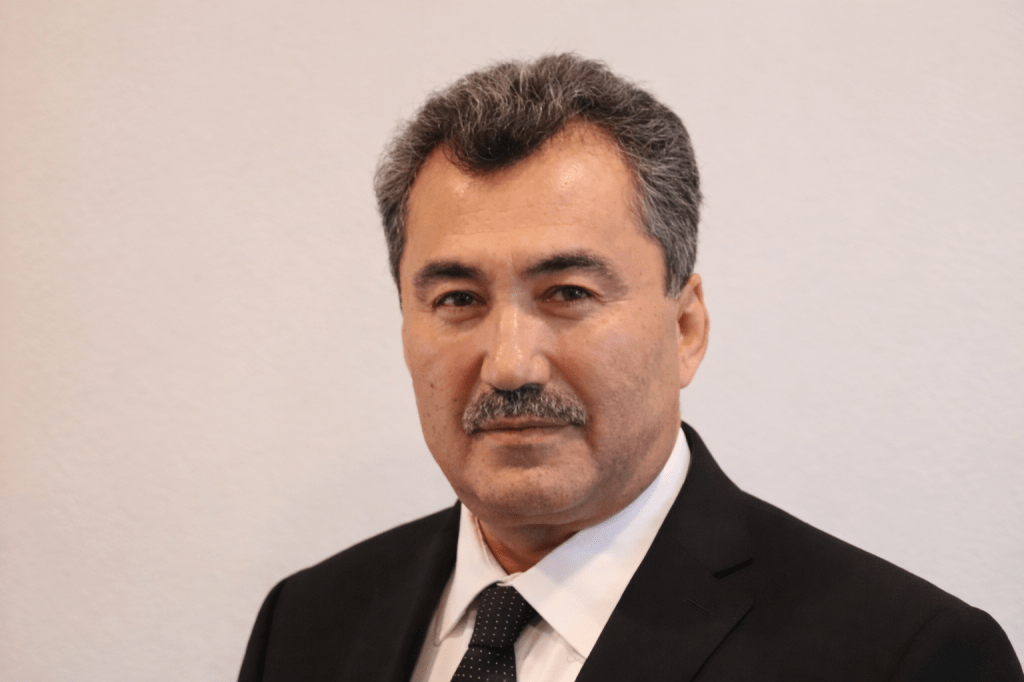

 Ahmet Tümer