-
U.S. Military Intervention in Venezuela: Law, Use of Force, and the International System
INTRODUCTION
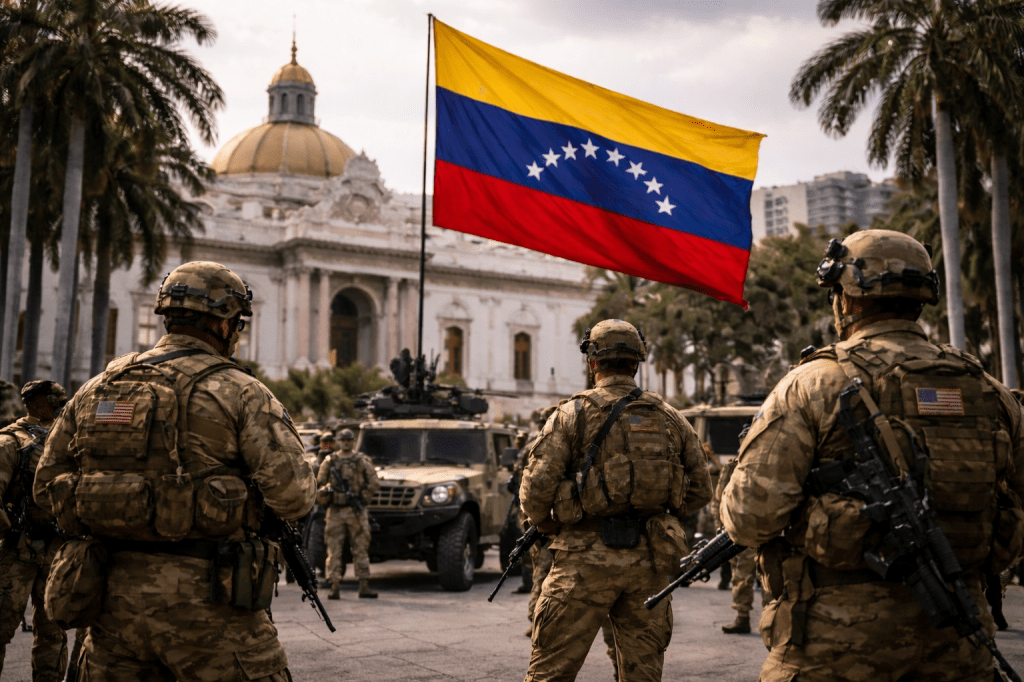
The military operation carried out by the United States in Venezuela and the subsequent capture of President Nicolás Maduro are regarded as one of the most controversial interventions in contemporary international relations, with far-reaching consequences. Conducted unilaterally and without explicit authorization from the United Nations Security Council, this intervention has reignited global debates over state sovereignty, the use of force, and the limits of international law.
While the operation has been justified by the United States within the frameworks of security, criminal justice, and strategic necessity, it has been characterized by many states and international organizations as a violation of sovereignty, an unlawful use of force, and a dangerous precedent for the international system. These contrasting approaches make it necessary to examine the intervention not merely as a military or technical operation, but together with its legal, political, and geopolitical dimensions.
This article aims to analyze the U.S. military operation in Venezuela through a multidimensional analytical framework. In this context, it first examines in detail the sequence and implementation of the operation, followed by an analysis of the reasons behind the operation. It then assesses the international reactions to the intervention, highlighting the divisions that emerged at the global level. In the subsequent section, the operation is evaluated from the perspectives of international law, U.S. domestic law, and Venezuelan domestic law, and its legal framework is discussed. Finally, the article addresses the precedent value of the intervention and its long-term implications for the international system.
Within this framework, the study seeks to demonstrate that the Venezuela case is not merely a bilateral crisis, but a development with broader and structural consequences for the future of the international order.
SEQUENCE AND IMPLEMENTATION OF THE OPERATION
The military operation carried out by the United States against Nicolás Maduro in Venezuela constituted a pre-planned and coordinated multi-phase intervention. The operation was executed during the night of 2–3 January 2026 through a synchronized process involving military, security, and intelligence assets.
Initiation of the Operation
The final political authorization for the operation was granted on Friday night, 2 January 2026, at approximately 22:45–23:00 (U.S. Eastern Time – EST). Following this authorization, U.S. Armed Forces and federal security agencies were mobilized simultaneously, and the operation was effectively launched on Venezuelan territory in the early hours of Saturday, 3 January 2026.
The choice to conduct the operation between midnight and early morning hours reflects a classic military preference aimed at maximizing surprise and limiting the target area’s early warning and response capabilities.
Military Strikes and Area Control
During the initial phase of the operation, between 00:00 and 02:00 (EST) on 3 January 2026, air strikes were carried out against selected military targets in and around Caracas. The objective at this stage was to suppress the Venezuelan security forces’ air defense, command, and coordination capabilities and to rapidly establish operational control over the area.
Within the same time window, power outages and communication disruptions were reported in certain parts of Caracas. This phase is assessed as an area-shaping stage, conducted prior to the direct apprehension phase of the operation.
Movement Toward Maduro’s Location
Simultaneously with the air strikes, mixed teams composed of U.S. special forces and federal security elements were directed toward a secure location believed to be hosting Nicolás Maduro. It is reported that these units reached the site at approximately 01:00 (EST) on 3 January 2026, during which limited armed contact occurred.
At this stage, one of the helicopters reportedly sustained minor damage but remained operational and continued its mission.
Apprehension and Custody Phase.
Following entry into the secure location, Nicolás Maduro and his wife, Cilia Flores, were taken into custody within the 01:00–02:00 (EST) time window. According to U.S. accounts, the apprehension did not escalate into prolonged fighting, and this phase of the operation was completed relatively quickly.
This outcome underscores the critical role of pre-operation intelligence superiority and precise timing.
Exit from Venezuelan Airspace and Maritime Phase
After the apprehension, special units extracted Maduro and his wife from Caracas by helicopter and transported them out of Venezuelan airspace between 03:00 and 03:30 (EST). At approximately 03:20 (EST), the helicopters reached open waters, where contact was established with U.S. Navy assets.
At this point, the operational phase on Venezuelan territory effectively ended, and the process transitioned into a maritime transfer phase.
Public Announcement and Initial Political Reactions
Immediately following the completion of the operation, the first official statement by the U.S. President was released to the public around 04:20–04:30 (EST) on 3 January 2026. With this announcement, the operation was formally confirmed and disclosed to the international community.
In parallel, Venezuelan authorities issued statements on the same day characterizing the incident as a “kidnapping” and declaring that it constituted a severe violation of state sovereignty.
Transfer to the United States and Transition to Judicial Proceedings
Following the maritime phase, Maduro and his wife were transferred to the United States during the evening hours of 3 January 2026. With this transfer, the operation ceased to be a military intervention and transitioned into a legal process under the jurisdiction of the U.S. federal judicial system. In the days that followed, it was reported that Nicolás Maduro would be brought before U.S. federal courts.
REASONS BEHİND THE OPERATION
1. Counter-Narcotics Efforts and the National Security Narrative
When presenting the operation against Venezuela to the public, the U.S. administration has highlighted the fight against drug trafficking as one of its primary justifications. According to Washington, Venezuela has for years become one of the key transit hubs along the drug trafficking routes extending from South America to North America. This situation has been framed not merely as an issue of combating organized crime, but as a matter of U.S. national security.
- Within this narrative, drug trafficking is described as:
- A threat to public health in the United States,
- A major source of financing for armed and illicit groups,
- A security risk that erodes state capacity.
Accordingly, the issue is removed from the realm of ordinary criminal law and repositioned within a securitized policy framework.
2. The “Narco-State” and “Narco-Terrorism” Framework
In U.S. political and legal discourse, Venezuela has increasingly been portrayed as a “narco-state,” while Nicolás Maduro has been framed not merely as a political leader, but as an actor allegedly embedded within transnational criminal networks. This narrative enables Maduro to be removed from the status of a legitimate head of state and redefined as a criminal actor.
Within this framework, the concept of “narco-terrorism” combines:
- Drug trafficking,
- Cooperation with armed organizations,
- Criminal structures embedded within state institutions.
By merging these elements, the concept functions as a political narrative that legitimizes the use of military and security-based instruments.
3. U.S. Federal Judicial Process: Criminal Cases Against Nicolás Maduro
One of the central elements cited by the United States in explaining and justifying the operation has been the existence of ongoing federal criminal proceedings against Nicolás Maduro within the U.S. judicial system.
However, these indictments constitute criminal proceedings under U.S. domestic law and do not, from the perspective of international law, automatically provide legal authorization for military intervention.
4. Policy of Non-Recognition of Regime Legitimacy
The United States has for a prolonged period explicitly stated that it does not recognize the Maduro administration as the legitimate government of Venezuela. This policy of non-recognition plays a significant role in the justification of the operation. According to Washington, the leader of a government that is not recognized as legitimate:
- Cannot benefit from head-of-state immunity,
- Possesses a contested status under international law,
- May become the target of criminal investigations.
Although this approach does not produce binding legal consequences under international law, it allows the U.S. to frame the operation domestically not as an “attack against a sovereign state,” but as an intervention against an unlawful structure.
5. Domestic Politics and the Congress–Executive Balance
U.S. domestic politics has also played a decisive role among the reasons behind the operation. The Venezuela file has long been an area in which:
- Both political parties in Congress have adopted a hardline stance,
- Latin American diaspora communities particularly in Florida have exerted political influence,
- The boundaries of presidential authority have been actively tested.
Within this context, the operation is associated not only with foreign policy or security rationales, but also with efforts to demonstrate political resolve, project toughness, and expand the executive branch’s room for maneuver.
6. Geopolitical Signaling and Deterrence
Finally, geopolitical signaling and deterrence constitute another core motivation behind the operation. From the U.S. perspective, Venezuela is not merely a Latin American country, but also a state that has developed close relations with actors such as Russia, China, and Iran.
In this context, the operation can be interpreted as part of a broader strategic framework aimed at:
- Reasserting U.S. power projection in Latin America, traditionally viewed as its sphere of influence,
- Drawing clear boundaries for rival global actors,
- Delivering a message of “vulnerability” and demonstrated reach to regimes perceived as hostile.
INTERNATIONAL REACTIONS ON THE U.S. MILITARY OPERATION IN VENEZUELA
China
Argentina
Argentine President Javier Milei openly signaled support for the outcome of the U.S. operation in Venezuela through an official X post, writing: “Liberty advances. ¡Viva la libertad, carajo!”
Panama
Panamanian President José Raúl Mulino, in an official statement on developments in Venezuela, reiterated his government’s support for democratic legitimacy and the will of the people. Mulino emphasized that Edmundo González was elected through legitimate elections and that Panama supports a peaceful and orderly transition process.
Russia
Mexico
Brazil
Brazilian President Luiz Inácio Lula da Silva condemned the U.S. bombardment of Venezuela and the capture of Nicolás Maduro, stating that these actions crossed an “unacceptable line” and amounted to a severe attack on Venezuela’s sovereignty.
Colombia
Colombian President Gustavo Petro described the U.S. operation in Venezuela as a direct attack on sovereignty. He called for the immediate convening of the United Nations and the Organization of American States, arguing that the crisis must be resolved through diplomacy rather than military means.
Cuba
Cuban President Miguel Díaz-Canel described the U.S. military action against Venezuela as a “criminal attack” and an act of “state terrorism,” warning that it undermines the “Zone of Peace” status of Latin America and the Caribbean. He urged the international community to respond urgently, arguing that such interventions severely threaten regional peace.
Iran
France
French Foreign Minister Jean-Noël Barrot stated that the U.S. military operation violated international law and the UN Charter’s principle of non-use of force. He emphasized that no political solution can be imposed externally and reiterated the importance of respecting peoples’ right to self-determination.
Germany
Germany stated that it was closely monitoring the situation. The Foreign Ministry urged all parties to avoid escalation, respect international law, and pursue a political solution. Chancellor Friedrich Merz added that the legal assessment of the operation is complex and should be addressed within an international legal framework.
Spain
Canada
United Kingdom
British Prime Minister Sir Keir Starmer stated that the United Kingdom was not involved in the U.S. operation in Venezuela and emphasized that protecting international law and ensuring the safety of British citizens remain key priorities. He noted that developments are being closely followed while awaiting full clarification of the facts.
Ukraine
Ukrainian Foreign Minister Andrii Sybiha stated that Ukraine does not recognize Nicolás Maduro’s leadership as legitimate and reaffirmed Ukraine’s support for democracy, human rights, and peaceful solutions grounded in international law.
Greece
Greece’s Ministry of Foreign Affairs stated that it is closely monitoring developments in Venezuela in coordination with EU partners. Prime Minister Kyriakos Mitsotakis criticized Maduro’s long-standing authoritarian rule while emphasizing the need to focus on a peaceful, democratic transition rather than a legal assessment of the military action.
Türkiye
Israel
Israeli Foreign Minister Gideon Sa’ar welcomed and praised the U.S. operation and the capture of Nicolás Maduro, describing the United States as the “leader of the free world.” He characterized the Maduro government as illegal and repressive and expressed hope that the Venezuelan people’s democratic rights would be upheld.
India
India adopted a cautious stance, stating that it is closely monitoring developments, urging restraint, and emphasizing the importance of respecting international law. The Ministry of External Affairs did not issue a separate written press release on the matter.
South Africa
South Africa’s Department of International Relations and Cooperation opposed the use of force and unilateral interventions, stressing respect for the UN Charter and international law and calling for dialogue and diplomacy.
United Nations
The United Nations described the U.S. military operation as deeply concerning. UN Secretary-General António Guterres urged all parties to respect international law and the UN Charter and called for immediate de-escalation. UN human rights officials emphasized the protection of civilians, while the UN Security Council was reported to be moving to address the situation.
LEGAL ASSESSMENT
1. Assessment from the Perspective of International Law
From the standpoint of international law, the use of military force by the United States on Venezuelan territory and the forcible capture of the head of state clearly conflict with fundamental legal norms. This assessment can be made on the basis of the following points:
- Prohibition of the Use of Force (UN Charter Art. 2/4): The use of force by states against the territorial integrity or political independence of another state is prohibited. The military operation against Venezuela constitutes a direct violation of this prohibition.
- Absence of the Conditions for Self-Defense (UN Charter Art. 51): As there has been no armed attack originating from Venezuela against the United States, the exception of self-defense is not legally applicable.
- Lack of United Nations Security Council Authorization: There is no United Nations Security Council decision or authorization regarding the operation. This renders the intervention unauthorized under international law.
- Violation of the Principles of Sovereignty and Non-Intervention: The forcible capture of a head of state by a foreign power amounts to the suspension of the sovereign powers of the state and direct intervention in the regime.
- Violation of the Personal Immunity of Heads of State: Under customary international law, serving heads of state enjoy immunity from the jurisdiction of foreign states. Criminal allegations do not remove this immunity.
- Bypassing of International Criminal Justice: The criminal responsibility of heads of state is addressed through international judicial mechanisms. A unilateral military apprehension bypasses this process. As a result, from the perspective of international law, this intervention constitutes unlawful use of force, a serious violation of sovereignty, and a prohibited intervention.
2. Assessment from the Perspective of United States Domestic Law
From the perspective of U.S. domestic law, the operation presents a more complex and controversial framework.
- Lack of Congressional Authorization: There is no specific and explicitly named congressional authorization (AUMF) for the arrest of Nicolás Maduro or for the use of military force in Venezuela.
- Broad Interpretation of the AUMFs: The U.S. administration seeks to justify the operation by broadly interpreting the 2001 and 2002 AUMFs within the framework of counterterrorism. However, these authorizations do not explicitly cover a military operation against the leader of a sovereign state.
- Limited Judicial Basis: Indictments issued by U.S. federal prosecutors and the “Rewards for Justice” program do not confer authority to conduct an extraterritorial apprehension through the use of military force. U.S. courts cannot issue orders for military operations on the territory of a foreign state.
- Presidential Authority and Constitutional Limits: While the President’s commander-in-chief authority is extensive, the use of military force at a level that creates inter-state conflict falls, under the Constitution, within the authority of Congress. For these reasons, the operation rests on a legally controversial foundation even within U.S. domestic law, particularly with regard to constitutional limits on authority.
3. Assessment from the Perspective of Venezuelan Domestic Law
From the perspective of Venezuelan domestic law, the situation is clear and not open to dispute:
- Violation of the Constitutional Order: The head of state may be removed from office only through constitutional mechanisms within the country. Intervention by a foreign military force constitutes the forcible overthrow of the constitutional order.
- Attack on Sovereignty and National Independence: The operation is regarded under Venezuelan law as a direct attack on state sovereignty and an act of occupation.
- Constitution of a Crime Against the State: Foreign intervention falls within the category of crimes such as coup d’état, overthrow of the constitutional order, and crimes against national independence.
PRECEDENT VALUE AND IMPLICATIONS FOR THE INTERNATIONAL SYSTEM
The military operation carried out by the United States in Venezuela, resulting in the forcible apprehension of a sitting head of state, is widely regarded as a precedent-setting development that affects not only bilateral relations but also the foundational norms of the international system and the established principles governing the use of force. This intervention has reopened debates surrounding the legal and institutional balance that states have long sought to preserve in international relations.
Erosion of the Principle of Head of State Immunity
Under international customary law and established diplomatic practice, sitting heads of state enjoy personal immunity from the jurisdiction of foreign states. By forcibly capturing a head of state through the direct use of military force, the United States has created a powerful example suggesting that such immunity may be bypassed in practice.
This development carries the risk that other states may, in the future, define foreign leaders as “criminal actors” under similar justifications and pursue unilateral interventions. While the erosion of immunity may provide greater operational latitude to powerful states in the short term, it risks undermining the security of political leadership worldwide in the long term.
The Legalization of the Use of Force Debate
The attempt to justify the operation on the basis of criminal investigations and federal indictments represents a striking example of the framing of military force as a legal enforcement tool. This approach stands in direct tension with the United Nations Charter system, which was designed to strictly limit the use of force.
If states begin to regard domestic criminal proceedings as sufficient grounds for military intervention within the territory of another sovereign state, this could lead to the erosion of collective security mechanisms and the selective application of international law.
Unilateralism and the Erosion of Collective Security
Because the intervention was conducted without authorization from the United Nations Security Council, it constitutes a clear example of unilateral use of force. This development risks further weakening the principle of collective security and reinforcing a system in which de facto power superiority overrides established legal norms.
The erosion of collective security disproportionately affects small and medium-sized states by reducing predictability within the international system, increasing security anxieties, and deepening dependence on alliances.
Consequences for Great Power Competition
The precedent-setting nature of the operation is being closely observed within the context of great power rivalry. Actors such as Russia and China may interpret this intervention as a reference point for their own security doctrines. This raises the risk that the concept of “legally justified military intervention” may be replicated across different regions.
In this respect, the operation should be understood not merely as a Latin American case, but as one carrying the potential for dangerous ripple effects in regions of heightened tension such as the Asia-Pacific, Eastern Europe, and the Middle East.
Overall Assessment from the Perspective of the International System
In conclusion, beyond any short-term strategic gains, the U.S. operation in Venezuela constitutes a precedent capable of leaving lasting marks on the normative structure of the international system. The blurring of boundaries between state sovereignty, immunity, use of force, and jurisdiction carries the risk of rendering the international order more unpredictable and fragile.
For this reason, the intervention should be assessed not only within the specific contexts of Venezuela and the United States, but also as a critical turning point for the future of international law and systemic stability.
CONCLUSION
The military operation carried out by the United States in Venezuela and the subsequent apprehension of President Nicolás Maduro constitutes a multi-layered and exceptional case from the perspectives of international relations and international law. The intervention reflects an approach in which military methods, criminal law justifications, and strategic objectives are intertwined, thereby presenting a model that differs from conventional forms of interstate use of force.
An examination of the sequence and implementation of the operation indicates that the process was conducted in a pre-planned, coordinated, and time-sensitive manner. While the reasons put forward by the United States were grounded in counter-narcotics efforts, national security concerns, and ongoing federal criminal cases, significant disagreements emerged at the international level regarding the legal validity of these justifications. In particular, the absence of authorization from the United Nations Security Council has positioned the operation as a central point of debate concerning the prohibition on the use of force and the principle of state sovereignty.
International reactions demonstrate the lack of a common and uniform approach within the global system toward interventions of this nature. Whereas some states supported the operation, a substantial number openly condemned it and emphasized that it constituted a violation of international law. This divergence has once again exposed persistent structural challenges related to the normative coherence and enforcement capacity of the current international order.
From a legal assessment perspective, the operation has been subject to differing—and at times conflicting—interpretations under international law, U.S. domestic law, and Venezuelan domestic law. Within the framework of international law, the principles of sovereignty, the prohibition of the use of force, and the immunity of heads of state come to the forefront. In the context of U.S. domestic law, debates have centered on executive authority, federal criminal investigations, and the balance between Congress and the presidency. From the standpoint of Venezuelan domestic law, the intervention has been regarded as a violation of the constitutional order and national sovereignty.
Finally, the precedent value of this operation carries the potential to generate long-term and systemic consequences extending beyond the immediate crisis. Issues such as the status of heads of state, the boundaries between domestic and international law, and the normalization of unilateral use of force are likely to shape future cases of a similar nature. In this respect, the Venezuela case serves as a significant reference point for understanding how the existing rules of the international system are interpreted and how they may evolve in the future.
-
The Strategic Importance of Think Tank Diplomacy in the Uyghur Issue
The Uyghur issue is no longer merely a human rights topic; it has become a global case that tests the norms, legal capacity, and moral consistency of the international system. An issue of this scale and complexity cannot be managed through individual reactions or temporary agendas, but rather through institutional, sustainable, and strategic frameworks of thought.
It is precisely at this point that the role of think tank institutions becomes decisive.
Think tanks are non-state actors that nevertheless feed state-level strategic reasoning. They produce policy, shape narratives, guide decision-makers, and construct legitimacy frameworks in the international public sphere. For the Uyghur cause to be defended effectively and sustainably at the global level, institutions operating in this field must go beyond conventional report-writing and establish multi-layered strategic networks.
In this context, Center for Uyghur Studies is not merely a research center; it holds the potential to become an academic, analytical, and political legitimacy hub for the Uyghur issue. However, for this potential to be fully realized, the institution must be actively and institutionally integrated into the global think tank ecosystem.
The key reality here is clear: the Uyghur issue advances not through statements of goodwill, but through institutionalized and sustainable cooperation.
Building a Global Think Tank Network: Where to Begin?
At this stage, the first strategic step to be taken is clear. The Center for Uyghur Studies must sign formal strategic partnership agreements with think tank institutions around the world, without discrimination by country and without confining itself to specific regions, political blocs, or alliance structures.
These partnerships should not be symbolic. On the contrary, they must include concrete outputs such as joint working mechanisms, information and data sharing, and collaborative report production.
Through such a network, the Uyghur dossier would cease to be the voice of a single institution and instead become a shared agenda of numerous international think tanks. This would render the issue both stronger and more resilient.
Joint Production: From Visibility to Depth
The second phase is not merely about articulation, but about producing together. The international system gives far greater weight to jointly authored, documented, and interdisciplinary knowledge production than to individual statements.
For this reason:
- Joint reports should be produced in collaboration with international think tanks. These reports should address not only human rights violations but also forced labor, supply chains, international law, security, and geopolitical implications.
- Through joint conferences and roundtable discussions, the Uyghur issue should be brought into the analytical space of multiple disciplines.
- Beyond digital content, printed publications and academic compilations should be produced in order to build a lasting institutional memory.
Historic Responsibility and Leadership
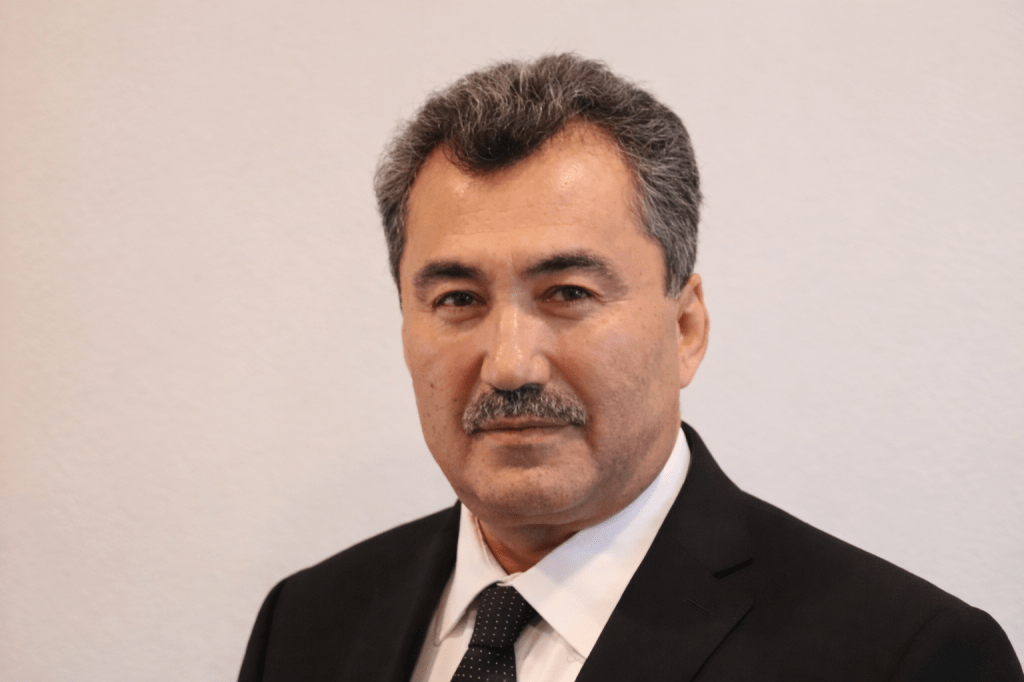
The natural responsibility for this entire process rests on the shoulders of Abdulhakim Idris. He is not merely an advocate; through decades of experience, he has repeatedly demonstrated his analytical thinking capacity and strategic intuition.
What is expected here is not merely the articulation of the Uyghur issue. The true expectation is the ability to transform this issue into a permanent agenda item within the international think tank ecosystem.
This is not an easy task. However, history shows that major causes have critical turning points. And those moments require strong institutional leadership.
The analytical intelligence, networking capacity, and ability to correctly interpret institutional language that Abdulhakim Idris possesses can elevate the Center for Uyghur Studies into a permanent and taken-seriously actor within the global think tank landscape.
-
From Associations to Statecraft: The New Threshold of the Uyghur Diaspora

Today, the Uyghur diaspora stands at a historical threshold. This threshold is not merely the beginning of a new phase of struggle; it is the gateway to a new mindset, a new institutional ambition, and ultimately a new level of statecraft. The issue is no longer limited to existence, narration, or visibility. The real question is this: what kind of political actor can be built and sustained.
Until now, the Uyghur cause in the diaspora has been carried largely through associations, foundations, and volunteer platforms. The historical role of these structures cannot be denied. The preservation of identity, the documentation of mass abuses, the awakening of public opinion, and the continuity of the human-rights agenda have been possible thanks to these efforts. Yet one truth has become impossible to ignore: association-based activism was a beginning, not the destination.
The Limits of the Association Model
By their nature, associations tend to be defensive. They react, they respond, but they rarely generate strategy. They do not create law, shape policy, or design a durable architecture of power. More importantly, association-based models often remain fragmented; they can become dependent on individuals and struggle to produce institutional memory that outlives personalities.
The challenges facing the Uyghur diaspora today, however, are now issues of state-level scale:
- Systematic forced labor
- A coercive machinery that has penetrated global supply chains
- Acts that constitute serious crimes under international law
- A people’s fate treated as a bargaining chip among great powers
Responding to this landscape with the reflexes of conventional civic activism is understandable but it is not sufficient.
What Statecraft Means—Not a State Fantasy
What is meant here by “statecraft” is not romantic flag and border rhetoric. It is not armed struggle, nor imaginary declarations of independence. Statecraft is the capacity to:
- Read the international system
- Analyze power balances
- Use law as an instrument
- Produce diplomacy
- Ensure inter-institutional coordination
- Set long-term goals
A people is taken seriously only to the extent that it can develop these capacities. The most critical dilemma of the Uyghur issue today is this: it is morally right, yet too often strategically underpowered.
Giving Birth to a Political Actor from the Diaspora
A new task now stands before the Uyghur diaspora: to evolve from civil society into a political and institutional actor.
This transformation requires breakthroughs in the following areas:
Strategic research centers (think tanks):
Professional structures capable of addressing the Uyghur issue not only through moral language, but also through geopolitical and economic analysis (Uyghur Research Center, Uyghur Academy).International legal units:
Specialized teams focused on universal jurisdiction, forced-labor litigation, sanctions mechanisms, and supply chain accountability cases (cases filed in Argentina, Türkiye, France, and the United Kingdom).Institutional diplomacy networks:
Structures able to engage not merely with “states,” but with state systems parliaments, bureaucracies, and international organizations.Central coordination:
A high-level umbrella that synchronizes rather than fragments Uyghur structures across different countries (World Uyghur Congress).This is not a matter of “one leader.” It is a matter of institutional intelligence.
From a Victim Identity to a Foundational Identity
In the international system, the Uyghur people are too often seen only as victims. Yet victimhood alone does not generate political power. International politics is unforgiving: it makes room not for the righteous, but for the organized and the rational.
For this reason, the Uyghur diaspora must redefine itself:
- Not merely as a community under oppression, but
- as a political actor with a credible vision of the future.
Without this transformation, neither meaningful pressure on China nor a durable place in the global system can be secured.
Final Word: History Does Not Wait
Time is not limitless for any diaspora. Institutional capacity that is not built today cannot be easily repaired tomorrow. Every delay risks the issue becoming normalized then slowly dissolving into the noise of the global agenda.
Association-based activism is an honorable chapter of the Uyghur struggle. But a new chapter must now be opened.
Its title is clear: the transition from associations to statecraft.
And this transition is not a preference—it is a historical necessity.
-
Venezuela Tanker Crisis: Key Legal Questions Raised by the U.S. Intervention at Sea
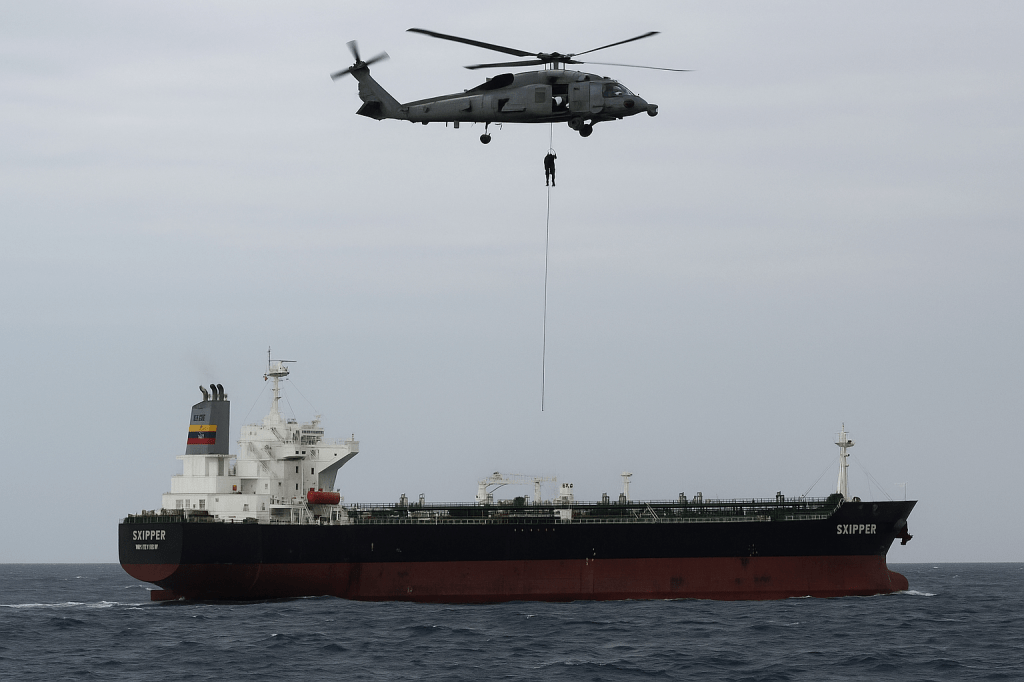
The United States’ seizure of a Venezuelan oil tanker off the country’s coast has immediately raised tensions in the region. Incidents like this often drift into a space where political rhetoric intensifies while legal debates get overshadowed. Yet this is precisely the kind of issue that requires a calm and deliberate examination of international and maritime law.
Washington justifies the operation by referring to its own sanctions regime; Caracas, in turn, frames the act as “international piracy.” Between these two competing narratives lies a more uncomfortable truth: powerful states tend to apply their own normative frameworks as though they are universally binding. There’s an old but accurate observation in international relations: we see the law of the powerful more often than the power of the law. This case is not much different.
International Law and the Question of JurisdictionA state’s authority to seize a commercial vessel on the high seas is extremely limited. The UN Convention on the Law of the Sea (UNCLOS) emphasizes the status of the high seas as “the common heritage of humankind,” restricting states’ ability to exercise enforcement powers. Piracy, slave trading, unauthorized broadcasting, or situations involving stateless vessels constitute narrow exceptions.
From this standpoint, even if the United States relies on its domestic laws and sanctions, such measures do not automatically create legitimacy under international law. Sanctions enacted unilaterally lack universal enforceability. No state—especially one already in a politically adversarial relationship—is obligated to recognize another state’s domestic sanctions regime. In this sense, a military seizure of a tanker falls into a legal space that is not merely gray but rather notably dark.
Power Projection and Creating Facts at SeaBeyond being a conventional example of power projection, the operation reflects a broader strategy of creating “facts on the water.” By targeting a vital artery of Venezuela’s economy—its oil transport—the United States sends a subtle message to other regional actors: “Our sanctions are not just policy statements; they can and will be enforced.”
Remaining entirely neutral here feels unrealistic. The international system maintains stability only to the extent that the rule of law remains intact. Once states begin interfering with each other’s commercial vessels with increasing ease, the precedent becomes dangerous. Today it’s a Venezuelan tanker; tomorrow it could be another nation’s vessel. Where exactly will the line be drawn?
Conclusion: Every Step Away from Law Expands UncertaintyThis incident is not merely another chapter in the long-running tensions between Washington and Caracas; it is a snapshot of a global environment in which international law is repeatedly tested. As states rely on domestic legal rationales to justify actions affecting foreign assets, the international legal order weakens and systemic uncertainty grows.
Staying impartial does not require suppressing legitimate concerns. Any unease expressed here stems not from affection for Venezuela or hostility toward the United States, but from a broader worry: actions that erode the framework of international law ultimately make the entire global order more fragile.
At the end of the day, the question is simple: Will power prevail at sea, or will the law? The answer affects far more than this single incident—it affects all of us.
-
A Multi-Dimensional Analysis of Cyprus’ Reunification
Historical Background and the Evolution of Negotiations
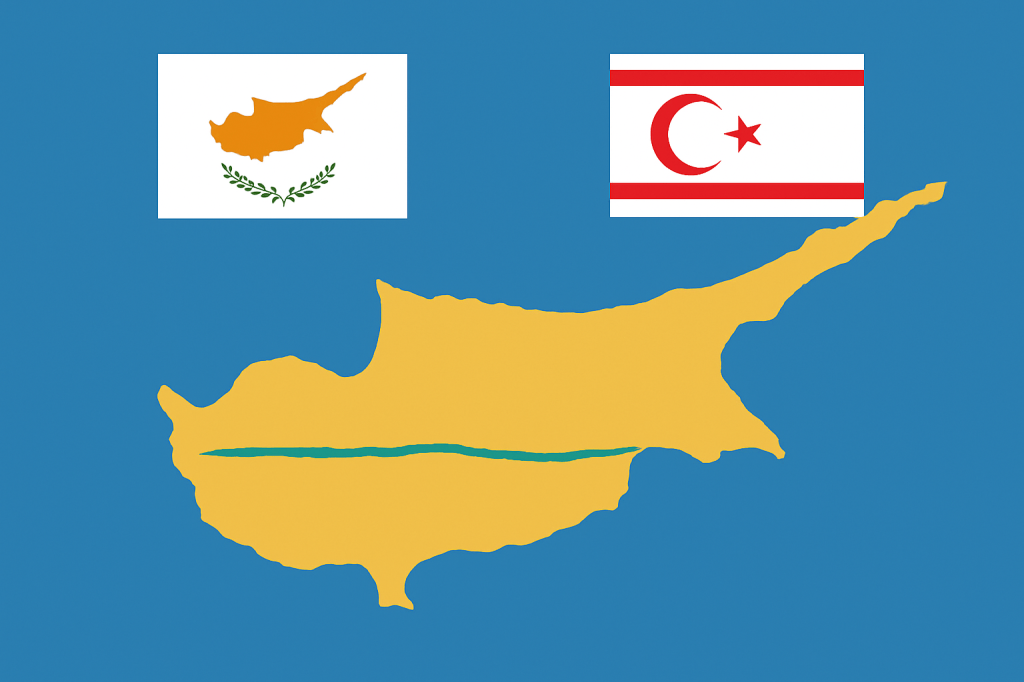
After the intercommunal clashes that began in 1963 and the subsequent de facto division of the island, the UN-controlled Green Line in central Nicosia has continued to serve as a buffer zone separating the north and south of the island since 1974. Although the Republic of Cyprus was established in 1960 as a bi-communal partnership state, this arrangement did not last long. In 1963, following unilateral attempts by the Greek Cypriot leadership to amend the constitution and the eruption of armed clashes known as Bloody Christmas, the partnership state effectively collapsed; Turkish Cypriots were excluded from state institutions. The island-wide escalation of violence and Greece’s interventions aimed at Enosis (union with Greece) laid the groundwork for Turkey’s intervention. On 15 July 1974, when the Greek junta in Greece staged a coup in Cyprus and Makarios was overthrown in an attempt to declare Enosis, Turkey launched a military operation on 20 July 1974, invoking the Treaty of Guarantee. As a result of the Cyprus Peace Operation, which took place in two phases, 37% of the island came under Turkish control and the current de facto boundaries were drawn. Subsequently, under UN supervision, a population exchange was implemented in 1975, whereby Turks were concentrated in the north and Greeks in the south; approximately 120,000 Greek Cypriots resettled in the south and 65,000 Turkish Cypriots in the north. This separation laid the foundations for the two separate administrations on the island.
After 1974, efforts to resolve the Cyprus issue continued uninterruptedly under UN auspices. In the 1977 and 1979 High-Level Agreements, the principle of a bi-communal, bi-zonal federal solution was adopted. However, on 15 November 1983, the Turkish Cypriot side declared that, exercising its right to self-determination, the Turkish Republic of Northern Cyprus (TRNC) had been established. Although this declaration of independence was not recognized internationally, Turkish Cypriots announced that they would continue to advocate a federation model in the negotiations. Throughout the 1980s and 1990s, various UN plans (most notably the 1985–86 Draft Framework Agreement, the 1992 Ghali Set of Ideas, etc.) were presented to the sides, but each time they failed due to disagreements. Toward the end of the 1990s, the EU accession process of the Republic of Cyprus introduced a different dynamic into the search for a solution; it became apparent that despite the division of the island, the southern part of Cyprus could enter the EU on behalf of the whole island.
In the 2000s, hopes for a solution reached their peak. The comprehensive Annan Plan, prepared through the efforts of UN Secretary-General Kofi Annan, was put to simultaneous referenda on both sides on 24 April 2004. Turkish Cypriots strongly backed the plan with a 64.9% (65%) “Yes” vote, while Greek Cypriots rejected it with 75.8% (76%) “No”. As reunification failed due to the Greek Cypriot rejection, the international community subsequently admitted the Republic of Cyprus (the Greek Cypriot government) as a full member of the European Union on 1 May 2004 on behalf of the entire island. This development reinforced among the Turkish Cypriot people—who had voted “yes” for a solution—the sentiment that the promises made to them had not been fulfilled; isolation and embargoes continued. The rejection of the plan consolidated the de facto division of the island and deepened the trust gap between the two sides.
In 2008, negotiations between the leaders Talat and Christofias restarted and achieved some convergences, but could not produce a comprehensive settlement. Most recently, the federal negotiations revived in 2015 by the leaders Akıncı and Anastasiades culminated at the Crans-Montana Conference in Switzerland in June 2017. With the participation of the guarantor states Turkey, Greece, and the United Kingdom, this conference was considered one of the closest moments to a solution. During the conference, UN Secretary-General Antonio Guterres presented a “package solution” proposal covering six chapters, including security and guarantees. However, the Greek Cypriot side adopted an uncompromising stance, insisting on “zero troops, zero guarantees from the first day,” particularly regarding Turkey’s military presence and the guarantee system, and even refused balanced proposals put forward by the UN. Despite the flexible and constructive approach of the Turkish Cypriot side, no agreement was reached on critical issues; in July 2017, Guterres announced that the conference had ended in failure. The Crans-Montana talks represented a turning point in the search for a federal solution, and the failure to reconvene a formal negotiation table afterwards brought new alternatives to the agenda.
After 2017, the Cyprus peace process entered a prolonged pause. In October 2020, with the election of Ersin Tatar as President of the TRNC, a new vision was put forward: the argument that the federation model had been exhausted, coupled with a formal proposal for a two-state solution on the basis of sovereign equality. Turkey likewise declared that it embraced this paradigm. Then-Foreign Minister Mevlüt Çavuşoğlu stated that “we cannot embark on an open-ended adventure for a federation that will not yield results,” emphasizing that different solution options should be prioritized. At the informal 5+1 meeting held in Geneva in April 2021 under the UN framework, the Turkish side officially presented, for the first time, a detailed two-state vision and put forward as a precondition the recognition of the TRNC’s equal international status. However, the Greek Cypriot side and the international community rejected this thesis on the grounds that it contradicts UN resolutions. In 2022, Turkey reiterated its stance at the highest level by calling on the world to recognize the TRNC during the UN General Assembly. All these developments indicate that we have entered a period in which the negotiation parameters have fundamentally changed. At the same time, the partial opening of the long-closed Maraş (Varosha) area to civilian use by the TRNC in October 2020demonstrated that the status quo is now being challenged by different moves.
At this point, although the Cyprus issue remains unresolved, over 60+ years the sides have gone through numerous plans, countless meetings, and many mediators. Historically, the collapse of the 1960 partnership arrangement, the de facto partition in 1974, the rejection of the Annan Plan in 2004, and the failure of Crans-Montana in 2017 stand out as key turning points in reunification efforts. In light of these experiences, the question now on the agenda is whether the negotiation parameters will change. The quest for a solution to Cyprus’s future is being reshaped by lessons drawn from history.
Current Reunification Scenarios and Solution Models
Several scenarios have long been discussed for resolving the Cyprus issue. The most frequently mentioned models are as follows:
Bi-Communal Federation: The established solution model, defined by UN Security Council resolutions, foresees the establishment of a bi-zonal, bi-communal federation based on political equality on the island. Under this model, constituent states in the north and south would have their own autonomous administrations, while in external relations the united Cyprus state would be represented under a single sovereignty. The federation model has been presented in theory as the fairest balance, as it guarantees both the political equality of the two peoples and a certain degree of separate self-governance. Indeed, the UN and the international community have recognized a federation as the basis for a solution since 1977. However, in decades of federation negotiations, the sides could not reach agreement on critical issues (such as power sharing, rotating presidency, territorial arrangements, etc.); in particular, the Greek Cypriot desire for strong central government powers and the Turkish Cypriot sensitivity over political equality have made it difficult to implement this model. At this stage, although the federation officially remains on the table, its feasibility has become a matter of debate due to mutual mistrust.
Confederation: This model envisions two separate sovereign states forming a loose higher-level partnership through a framework agreement. In practice, it implies the presence of two independent states, but coordinated through certain joint organs. The confederation option was proposed notably by the Turkish Cypriot leadership in the 1990s under the formula of “cooperation between two sovereign states.” In this scenario, the existing TRNC and the Republic of Cyprus would recognize each other as separate states, and if this status were accepted internationally, a partnership would be established through inter-state agreements. Confederation has sometimes been brought up by the Turkish side as an alternative to the “exhausted federation”, but the Greek Cypriot side rejects it on the grounds that it would mean permanent partition. Furthermore, for a confederal solution to materialize, the TRNC would first need to be recognized or the Greek Cypriot side would need to accept a sharing of sovereignty; therefore, this scenario is seen as distant in practice.
Two Separate States (Partition): This scenario envisages the permanent consolidation of the division already in place, with two independent states on the island, one Turkish in the north and one Greek in the south. The Turkish Cypriot side and Turkey have increasingly emphasized that a solution is possible only on the basis of two sovereign states. Especially after the failure of federal initiatives in 2017, the “two-state solution” thesis has gained strength. Surveys also show that support for this option among Turkish Cypriots has increased: in a survey conducted in the TRNC in January 2020, 81.3% of Turkish Cypriots stated that they supported two separate states, while those favoring federation remained at 10%. From the Turkish side’s perspective, a two-state option is a realistic approach and a reflection of the existing de facto situation, as generations in the TRNC have lived within this order. However, in terms of international law and politics, it is the most challenging scenario. UN resolutions emphasize the principle of single sovereignty in Cyprus and do not recognize the structure in the north. The European Union has also stated at the highest level that it will “never accept a two-state solution”. For the Greek Cypriot side, too, dividing sovereignty is a red line. Therefore, the two-state formula, whose international recognition is seen as nearly impossible, would be less a negotiated solution and more a “de facto acceptance of the current situation”. Even if Turkey’s strong support and potential recognition moves by other countries were forthcoming, they might not suffice to alter the status quo; indeed, UN Security Council Resolutions 541 and 550 of 1983 declared the TRNC’s independence legally invalid. In sum, although the two-state option is present on the table as a view, its implementability in the international context is extremely low.
Apart from these scenarios, some authors propose hybrid formulas such as a “loose union under the EU umbrella” or a “decentralized federation.” For instance, the new Greek Cypriot leader Nikos Christodoulides has argued that a highly decentralized federation could address some of the Turkish side’s concerns. Ultimately, debates around the solution model focus on the question “which model is worth negotiating?”. Unless a common ground can be found between the sides, no scenario will be implementable. As of today, the Greek Cypriot side officially remains aligned with the federation line, while the Turkish side insists on the two-state thesis. For this reason, the core issue in Cyprus is to reach consensus on a shared vision.
The Role of International Actors
The Cyprus issue is a multi-faceted problem that concerns not only the parties on the island but also regional and global actors. In efforts toward reunification, the United Nations, the European Union, Turkey, Greece, the United Kingdom, and other relevant actors play prominent roles:
United Nations (UN): The UN, the primary mediator in the Cyprus issue, has deployed a peacekeeping force (UNFICYP) on the island since 1964 to help maintain security. Since 1968, the “Good Offices Mission” of the UN Secretary-General has hosted and facilitated negotiations. The UN’s solution parameters are based on a bi-communal, bi-zonal federation grounded in political equality. Within this framework, comprehensive plans (such as the 1992 Ghali Ideas, the 2004 Annan Plan, and the 2017 Guterres Framework) have been prepared, and successive Secretaries-General have tried to secure convergence between the sides. However, most recently, a diplomatic envoy appointed by Secretary-General Antonio Guterres to hold contacts on the island in 2023–24 reported that there is no common ground between the parties. The UN has had difficulty narrowing the deep gap between the parties regarding the vision for a solution. Nevertheless, Guterres has continued efforts to bring the sides together in informal formats as of 2025. The UN maintains its mediation while remaining committed to the parameters set by Security Council resolutions, and at the same time continues its mandate to preserve stability on the island.
European Union (EU): With the accession of the Republic of Cyprus to the EU in 2004, the Union became a significant dimension of the problem. While the southern part of Cyprus became an EU member, the application of the EU acquis in the northern TRNC was temporarily suspended. The EU has for years supported economic development in the north through mechanisms such as the Aid Programme and the Green Line Regulation, aiming at facilitating the integration of the Turkish Cypriot community into the acquis in the event of a solution. EU institutions have clearly expressed their stance in favor of a settlement in the form of a federation. European Commission President Ursula von der Leyen emphasized that the EU would “never accept a two-state solution in Cyprus”, indicating that the Union remains firmly united on this issue. In 2023, through efforts by the Greek Cypriot leadership under Christodoulides, the EU signaled its intention to be more involved in the negotiations by appointing a special envoy to the process. In May 2025, the European Commission appointed former Commissioner Johannes Hahn as its Special Envoy for Cyprus, demonstrating its will to enhance its contribution to UN-led solution efforts. In its statement, the EU stressed that the Union remains committed to the goal of reunification of the island, based on UN Security Council resolutions and the EU’s principles and values, and that the solution must be compatible with and sustainable under EU law. In summary, the EU is a key actor in the resolution of the Cyprus issue both through its normative power (e.g., the status of a united Cyprus within the EU) and its incentives (financial aid, the broader dimension of Turkey–EU relations).
Turkey: For Turkey, the Cyprus issue is a “national cause.” As a guarantor of the constitutional order established in 1960 under the Treaty of Guarantee, Turkey intervened militarily in 1974, assuming a role as the protector of the Turkish Cypriots. Since then, through its military presence and financial and political support to the north of the island, Turkey has been a principal actor shaping the de facto situation. In the early 2000s, Turkey strongly supported the Annan Plan, thereby adopting a solution-oriented stance and even encouraging the Turkish Cypriot side to approve the plan. However, after the Greek Cypriot rejection of the referendum and especially after the failure at Crans-Montana in 2017, Ankara’s position underwent a transformation. Today, Turkey conditions any solution on the recognition of the sovereign equality of the TRNC and argues that the federation model has been exhausted. President Erdoğan, in speeches before the UN General Assembly in 2022 and 2023, called on the international community to recognize the TRNC, thereby putting the two-state vision on the global agenda. Turkey also considers its strategic interests in the Eastern Mediterranean (hydrocarbon exploration, maritime jurisdiction areas) as part of the Cyprus equation. On the security front, Turkey continues to regard the presence of Turkish troops on the island as vital for the security of the Turkish Cypriots and opposes the abolition of the 1960 guarantee system. Indeed, the guarantee issue was the most critical obstacle at Crans-Montana in 2017. Although Turkey’s vision for a solution in Cyprus lacks international acceptance, it remains decisive in terms of the de facto balance on the island. As the “motherland,” Turkey provides direct financial support to the TRNC economy and strengthens integration through energy and infrastructure projects. Ultimately, for any solution in Cyprus to be implementable, Turkey’s consent and active support are indispensable.
Greece: Due to historical, cultural, and political ties, Greece is the closest supporter of the Greek Cypriot side. As a guarantor of Cyprus’s independence under the 1960 arrangements, Greece became part of the tragedy in Cyprus through the Greek junta’s coup attempt in 1974. Following the restoration of democracy, Greek governments pulled the country toward a more international law-based stance on Cyprus. Officially, Greece declares that it supports the sovereignty and territorial integrity of the Republic of Cyprus and that the solution in Cyprus should be a federation within the UN parameters. While Athens tries not to be a direct party at the negotiation table and leaves the leadership of the process to the Greek Cypriots, it has played active roles on security and guarantees in particular. For example, at the Crans-Montana Conference in 2017, the Greek foreign minister stated that the 1960 guarantee system was obsolete and should be abolished. While the Greek armed forces have not been officially present in Cyprus since 1974, “the protection of Hellenism in Cyprus” remains an important theme in Greek foreign policy. In recent years, Greece has sought to solidify Cyprus’s status through energy and defense cooperation frameworks in the Eastern Mediterranean with Egypt, Israel, and the Greek Cypriot administration. Greece’s positions within the EU and NATO also strengthen its hand vis-à-vis Turkey over the Cyprus issue. Overall, Athens wants a solution in which Turkish troops leave the island, the guarantee rights are abolished, and the Greek Cypriot side’s security concerns are addressed. In line with these goals, Greece acts in full alignment with the Greek Cypriot side in the Cyprus negotiations. It should also be remembered that any eventual settlement will require ratification by the Greek parliament; hence Greece is an integral actor in the solution equation.
United Kingdom: As the island’s former colonial ruler, the UK occupies a unique position in Cyprus. Under the 1960 Agreements, it retained sovereign base areas on 3% of the island’s territory, namely Akrotiri and Dhekelia. The UK, together with Turkey and Greece, is a guarantor state of Cyprus’s independence and constitutional order. Regarding a solution, the UK officially supports UN efforts and declares its commitment to the principle of a bi-zonal, bi-communal federation. London pursues a policy of balanced friendship towards both sides on the island, but due to its strategic interests in the Eastern Mediterranean (the continued presence of its military bases, regional stability, migration flows, etc.), it favors a manageable status quo. In the period of the Annan Plan in 2004, the UK even proposed to cede part of the land within its sovereign base areas to a united Cyprus as a contribution to a solution (a proposal that did not come into effect because the plan was rejected). In the latest negotiations, the UK participated in the talks as a guarantor but played a more background role. Although the UK has left the EU, it stresses that a solution in Cyprus would be in everyone’s interest. For the UK, reunification would offer economic and political opportunities, such as establishing special relations with a united EU-member Cyprus and expanding trade ties with the Turkish side. The UK also supports confidence-building measures between the two communities (for example, demining projects and cultural heritage preservation). In short, while the UK continues to voice support for a “fair and lasting settlement,” it will be attentive to ensuring that any agreement preserves its own military and geopolitical interests. Even if the guarantee system is abolished, the status of the British bases will remain a separate topic of negotiation on the table.
Other Actors: The Cyprus issue has attracted the interest of several major powers, especially the US and Russia. The United States has emphasized throughout the Cold War and beyond the importance of maintaining balances in Cyprus in favor of NATO. It actively supported the Annan Plan in 2004 and took initiatives to alleviate the isolation imposed on Turkish Cypriots after the referenda. Today, the US strengthens its relations with the Republic of Cyprus to counter Russian and Chinese influence in the Eastern Mediterranean; lifting the arms embargo on the south in 2022 is an indicator of this trend. Washington states that it would support any formula that both communities agree upon, yet in practice it backs the UN’s stance favoring federation. Russia, on the other hand, has traditionally been closer to the Greek Cypriot side and has opposed changes to the solution parameters in the UN Security Council. Moscow may be uncomfortable with the increased Western influence on the island and therefore tends to be cautious about radical moves on the Cyprus issue. Russian capital and citizens have long occupied a notable place in the economy of the south, which may incline Russia toward a continuation of the status quo. The permanent members of the UN Security Council (the US, Russia, the UK, France, and China) have for years adopted similar resolutions on Cyprus, emphasizing the island’s territorial integrity, the bi-communal federation principle, and the non-recognition of the TRNC. At the regional level, EU member states and neighboring Middle Eastern countries (such as Israel and Egypt) can also be considered indirect actors due to the impact of Cyprus’s stability on their interests. In summary, the reunification of Cyprus involves a multi-layered diplomatic chessboard, where the positions of international actors sometimes facilitate efforts for a solution and sometimes complicate them.
Social Tendencies and Reactions
In the Cyprus issue, the attitudes of political leaders are as important as the tendencies of the two peoples on the island regarding reunification. Over the years, the decades-long separation between Greek Cypriots and Turkish Cypriots has shaped public perceptions of one another in opposing ways. However, polls and field research show that both communities have not completely closed the door to a peaceful future:
Public Opinion Trends: The fact that the two communities voted in opposite directions in the 2004 Annan Plan referenda (Turkish Cypriots 65% “Yes,” Greek Cypriots 76% “No”) starkly exposed the trust gap between them. Yet there has been some rapprochement in the intervening years. Particularly since the opening of the crossing points in 2003, everyday interactions have increased, fostering curiosity and empathy among the communities. A comprehensive public opinion survey conducted in 2020 revealed that there is still a live desire for a federal solution on both sides: 66.5% of Greek Cypriot respondents and 63.6% of Turkish Cypriot respondents declared that they aspire to a united federal Cyprus. These significantly high percentages are important in showing that, at a time when official rhetoric has hardened, the peoples remain basically open to peace. The same study also found that the solution package proposed by Secretary-General Guterres in 2017, designed to balance the sensitivities of both sides (particularly on security guarantees and political equality), could be supported by 84% of Greek Cypriots and 60% of Turkish Cypriots. This suggests that a properly designed compromise could enjoy broad public acceptance.
Mistrust and Psychological Barriers: Of course, optimistic survey data do not mean that deep-rooted prejudices and fears have been fully overcome. Both communities still carry the legacy of past traumas. Among Greek Cypriots, there is widespread concern about the permanent presence of the Turkish military and the risk of becoming a minority in a reunited state. For many Greek Cypriots, the “1974 trauma” remains fresh and trust in the Turkish side is scarce. On the other hand, Turkish Cypriots have not forgotten the attacks between 1963 and 1974 and the Maronite–Greek blockades; they fear “if we share power again, will we experience the same things?” This historical spiral of mistrust has been reinforced by both the media and education systems. On both sides, school curricula long contained narratives that demonized the “other.” As a result, there are significant sectors that view the idea of reunification with suspicion. Looking specifically at younger generations, an interesting divergence emerges: a considerable portion of Turkish Cypriot youth communicate with their Greek peers via social media, whereas this rate is very low among Greek Cypriot youth. According to one study, 41% of Turkish youths reported interacting with Greek Cypriots on Facebook at least once a month, while this rate is just about 8% among Greek youths. This indicates that Turkish Cypriot society has become more open to contact and dialogue, whereas alienation appears stronger among the younger generation in the Greek Cypriot community. Population and welfare disparities also create psychological barriers: some circles in the south say they do not want to bear the economic burden of the poorer north if reunification occurs, while on the Turkish Cypriot side there are concerns that if reunification happens, their freedoms might be restricted.
Bi-Communal Contacts and Civil Society: Since the opening of the crossing points in 2003, there have been millions of crossings between the two sides over more than 20 years; people visited each other’s villages and towns, and established day-to-day interactions. These contacts have helped break down some prejudices. Academic studies demonstrate that increased face-to-face contact reduces fears about the other side and increases support for a settlement. In fact, the Bi-Communal Technical Committees, set up after 2008, implemented several small-scale confidence-building measures in areas such as health, culture, environment, and crisis management, achieving concrete successes like joint mine clearance and the restoration of cultural heritage sites. Moreover, civil society initiatives continue efforts to build public support for reunification. Peace activists from both sides organized joint actions on platforms such as “Unite Cyprus Now”; young people in 2011 set up a joint camp at the Ledra/Lokmacı crossing point under the name “Occupy Buffer Zone” to symbolically demonstrate their demand for a solution. Although such initiatives have not mobilized mass participation, they have resonated in the media and sent a grassroots message to political leaders. In the Turkish Cypriot community, there was particularly strong desire for a solution in the 2000s; their 65% “Yes” to the Annan Plan was a clear indication of this. Even though isolation did not end after the plan, Turkish Cypriots maintained their hope of integrating with the outside world. In recent years, this desire has somewhat diminished due to the growing political and economic influence of Turkey and the strengthening two-state discourse, yet a significant segment of the population continues to crave inclusion within international law. In the Greek Cypriot community, during the Annan Plan era, the “No” campaign argued that “a better solution is possible.” Over time, however, the Greek Cypriots have enjoyed the advantages of the status quo. The sense of prosperity and security brought by EU membership reduced the urgency of a solution. On the other hand, among the Greek Cypriot displaced population (those who lost their homes in 1974), frustration and longing have grown. Research indicates that many displaced Greek Cypriots, who once supported “no” in the belief that a better solution would come, now think that this was a mistake and are more open to compromise. Thus, over time, the view “we should have made peace while we had the chance” has become widespread among generations who lost their homes in 1974.
Intra-Community Political Divisions: There are disagreements about reunification within each community as well. On the Turkish Cypriot side, left-wing parties (such as CTP) advocate a federation and reunification within the EU, whereas the right-nationalist wing (UBP, HP, etc.) supports a two-state solution or, at the very least, deeper integration with Turkey. With the election of Ersin Tatar in 2020, the official policy of the TRNC shifted fully toward a two-state model, yet approximately half of the society still consists of people who favor a federation or some form of convergence—this can be inferred from the nearly split vote between the two candidates in the 2020 election. On the Greek Cypriot side, similarly, center-left parties (like AKEL) tend to favor a solution, while center-right (DISY) remains cautious and the far-right (ELAM) is openly anti-solution. Although Nikos Christodoulides, elected president in 2023, has introduced new ideas for a solution (such as a more active role for the EU), he essentially follows a nationalist line that leans toward a unitary-state perspective. Thus, within the Greek Cypriot community, one camp says “we must reunify under any circumstances,” while another insists “never, as long as the Turkish army is on the island.” These internal balances can restrict leaders’ room for maneuver. For instance, one of the factors limiting Anastasiades from showing more flexibility at Crans-Montana in 2017 was the likely backlash at home. Similarly, criticism that Akıncı “gave too many concessions” contributed to his failure to be re-elected in 2020.
In summary, the hearts and minds of the two peoples are crucial in the matter of Cyprus’s reunification. Although there is a substantial segment on both sides that keeps hope for peace alive, mutual mistrust remains a reality. At the societal level, improving perceptions of the “other” is essential for a possible agreement to pass referenda. Keeping channels of dialogue open between the two communities, and encouraging younger generations to get to know each other, are necessary. Civil society efforts and everyday interactions offer small but meaningful rays of hope when politics is deadlocked. Reunification can only happen when a significant majority of ordinary people on the island say “enough is enough, we want lasting peace.” Although that threshold has not yet been reached, public opinion trends show that the status quo is not seen as a permanent destiny.
Legal, Economic, and Security Dimensions
The establishment of a reunited Cyprus is not only a matter of political will; it also depends on solving numerous issues in legal, economic, and security domains. From property and territorial arrangements to citizenship statuses, from security guarantees to economic convergence, many structural issues require deep negotiation:
The Property Issue: One of the most intricate dimensions of the Cyprus problem is the matter of property rights over the homes, lands, and businesses left behind by tens of thousands of people who were displaced on both sides as a result of events between 1963 and 1974. When two homogeneous regions were created by the 1975 population exchange agreement, with 120,000 Greeks relocating to the south and 65,000 Turks to the north, abandoned properties came under the control of the new authorities. There have been longstanding claims over properties belonging to Greeks in the north and Turkish properties and villages in the south. Following individual property cases brought to the European Court of Human Rights (e.g., the Loizidou case), mechanisms such as the Immovable Property Commission in the north were established to provide compensation and limited restitution; yet these are only temporary measures. In comprehensive settlement negotiations, the property chapter has been among the toughest to resolve. The Annan Plan proposed complex formulas of compensation, restitution, and exchange; similarly, user rights and other mechanisms were discussed at Crans-Montana. Today, the property issue continues to trigger legal tensions. As some Greek Cypriot properties in the TRNC have been sold to third parties, Greek courts in the south have started issuing arrest warrants against foreign individuals involved in such transactions. In 2023–2024, several foreign businesspeople were arrested for this reason, prompting the TRNC authorities to adopt protective measures for their nationals who were involved in sales of Greek properties. This tension even affected the leaders’ meeting in May 2025; the Turkish side stressed that the Greek courts’ stance undermines the atmosphere of trust. In the event of reunification, resolving the property issue will require creative formulas that do not generate new victims. Most likely, this will involve establishing a compensation fund, balancing restitution and user rights based on certain criteria (for example, giving priority to the return of currently empty areas like Maraş/Varosha). As the property issue is directly linked to human stories, it is crucial for social peace after reunification.
Citizenship and Demography: Another sensitive dimension of the Cyprus problem is the demographic structure and citizenship on the island. After 1974, there was a substantial influx of population from Turkey to northern Cyprus. Today, a significant portion of the TRNC’s population has family roots in Turkey. The Greek Cypriot side regards this as an attempt to “alter the demographic structure through population transfer”, which it considers illegal. It also argues that the Turkish side has thereby strengthened its two-state objective. The Turkish side, however, integrated newcomers from Anatolia into the TRNC in the 1980s and 1990s, boosting its population. Today, the TRNC’s population is estimated at over 300,000 (including citizens and residents), while the Republic of Cyprus has around 900,000 inhabitants. In a solution, the question “which individuals will acquire citizenship of the new united Cyprus” becomes a major negotiation topic. The Annan Plan envisaged that a significant part of the Turkish settlers in the north (around 45,000 people) would receive citizenship of the united state, while the rest could remain under residence status. Similar debates are still relevant today: the Greek Cypriot side wants to limit the number of “settlers” and stop new inflows from Turkey, while the Turkish side emphasizes that people born and raised on the island for 50 years should not be considered foreigners. Hence, a formula of quotas or phased acceptance will likely be needed regarding citizenship. For instance, earlier considered criteria included caps such as “citizens of Turkey should not exceed 10% of the population in the north”. In addition, the status of tens of thousands of Turkish-origin residents in the TRNC who are not TRNC citizens must also be addressed in a settlement. This issue is not just about demography, but also about identity. Within the Turkish Cypriot community, the distinction between “native Cypriots” and “Turkish immigrants” is sometimes felt. In a united future, overcoming these distinctions is key for social cohesion. On the other hand, the statuses of Maronite, Latin, and Armenian minorities living in the south will also be redefined after reunification.
Security and Guarantees: Security is perhaps the most emotionally charged aspect of the settlement question in Cyprus. The 1960 system of guarantees (with Turkey, Greece, and the UK as guarantors) and the Treaty of Alliance allowed the stationing of limited Greek (950) and Turkish (650) troops on the island. However, after 1974, Turkey’s deployment of tens of thousands of soldiers on the island and a de facto balance with Greece created a security paradox. For Greek Cypriots, security means the withdrawal of Turkish troops and the end of unilateral intervention rights. The “zero troops, zero guarantees” formula has broad support in the Greek Cypriot community. For Turkish Cypriots, security means the continuation of Turkey’s guarantee to prevent a recurrence of past events. They respond, “without guarantees, without Turkey’s protection, we will have zero security”. This dilemma was a key obstacle to a settlement at Crans-Montana. The UN’s Guterres Framework proposed an innovative approach to security arrangements: it envisaged ending the guarantors’ unilateral intervention rights from day one and replacing them with an international implementation and monitoring mechanism alongside a phased withdrawal of Turkish troops. Moreover, a new “Security Agreement” involving multi-party guarantees acceptable to both communities was proposed. The Turkish side was, in principle, open to this concept, but the Greek Cypriot side would not sign without a clear timetable that would eventually remove Turkish troops altogether. In a post-settlement environment, security arrangements would likely include the following: an international peacekeeping force (under the UN or EU) stationed on the island for a transitional period; replacement of the current guarantee system with a new multi-party security agreement; and redefined roles for Turkey, Greece, and the UK (for example, consultation and involvement mechanisms without unilateral intervention rights). Another formula would be the inclusion of a revision clause in the agreement, allowing the parties to review security arrangements after a certain period (e.g., 10–15 years). The ultimate goal is to establish a balance in which both communities feel secure. A reunification in which one side feels threatened cannot succeed. Therefore, the issue of security guarantees must be negotiated very carefully with the participation of the guarantor states. In particular, the future of Turkey’s military presence on the island remains a vital concern for the Turkish Cypriot community.
Economic Convergence and Integration into the EU Acquis: The nearly 50-year separation between North and South Cyprus has also led to differences in their economic structures and levels of prosperity. South Cyprus is a small yet high-income economy (per capita GDP around 28,000 USD), using the euro; North Cyprus, meanwhile, is an economy closely integrated with Turkey, using the Turkish lira and with per capita income at roughly one-third of the south’s (approximately 10,000 USD). This disparity means that reunification will require a serious effort in economic convergence. In 2004, had the Annan Plan been accepted, the EU had prepared billions of euros in funds to support development in the north; similarly, in any future settlement, an EU Cohesion Fund would come into play. First, the transition from the Turkish lira to the euro in the north will have to be planned for financial and monetary stability. The unification of banking systems and the integration of fiscal and customs regimes will take time. From the public finance perspective, the southern part and the international community will likely need to contribute to bridging the north’s budget deficits. Another dimension is the funding of property compensation mechanisms—a large international financing pool will be required to compensate tens of thousands of properties. The EU has been providing annual financial assistance to the Turkish Cypriot community since 2006 and has taken steps to facilitate trade through the Green Line. Yet a comprehensive settlement would require the north’s full alignment with the EU acquis. Because the acquis communautaire is currently suspended in the north, a transitional period would be needed to bring TRNC institutions up to EU standards. This implies reforms in a wide range of fields, from the rule of law and food safety to environmental standards and competition rules. EU expert teams already carry out some technical harmonization work with TRNC authorities, for instance, to secure protected designation of origin (PDO) for halloumi/hellim cheese in the EU, inspections have been conducted in the north. In a reunified Cyprus, Turkish would become the EU’s 24th official language, and Turkish Cypriots would be represented in the European Parliament. Economically, reunification holds significant potential for synergy across the island: cooperation in tourism, education, trade, and energy could increase the prosperity of both sides. In particular, jointly exploiting the natural gas resources around the island could turn Cyprus into a regional energy hub. However, to realize these benefits, structural disparities must first be eliminated. Having functioned for decades under a subsidized model heavily dependent on Turkey, the northern economy will need time to stand on its own feet after reunification. Continuous international support (EU funds, World Bank loans, etc.) will therefore be critical in this process.
Governance and Constitutional Order: Establishing a reunited Cyprus also requires detailed arrangements regarding the constitutional structure and system of governance. For a partnership state based on the political equality of the two communities, the model envisaged in the Annan Plan included mechanisms such as rotating presidency, equal representation in the Senate, and community vetoes. Similar mechanisms will likely appear on the agenda again. For example, formulas such as separate majorities or cross-voting for key decisions of the federal government are likely to be discussed. The chapter on governance and power sharing must be designed by taking into account why the 1960 experience failed. The Turkish Cypriot side demands guarantees that in the new partnership they will “never again be excluded as in 1963.” The Greek Cypriot side, on the other hand, is concerned with the functionality of the state and may be hesitant about rigid power-sharing formulas. Striking this balance requires creative constitutional engineering. Most likely, a federal structure with two constituent states will be established, with a central government that has limited and clearly defined powers (such as foreign affairs, finance, and defense) and state-level administrations with broad autonomy. A bicameral federal parliament and mechanisms ensuring effective representation of both communities in the legislative process can be expected. Likewise, hybrid structures in the judiciary and mechanisms of cooperation for the police forces will need to be established. Another legal dimension concerns whether decisions and citizenships granted in the north until now will be recognized in the new order. For the continuity of international law, it is envisaged that, under the reunification agreement, existing arrangements in the TRNC would be gradually aligned with the federal legal framework while preserving acquired rights. This may include provisions recognizing the validity of current TRNC court decisions and land registries under certain conditions. Additionally, a Joint Commission or a High-Level Cooperation Council could be set up for the Transitional Period, which would manage critical issues in a coordinated manner until the unified state fully takes over.
As can be seen, the reunification of Cyprus requires a multi-dimensional and complex restructuring process. Each of the headings—property, citizenship, security, economy, and governance—must be elaborated in separate annexes and protocols of the agreement. Reaching consensus on these issues is not only a technical challenge but also a profoundly political process. The parties will try to find the middle ground through mutual concessions and creative formulas. Experts predict that any comprehensive settlement will be a large package, hundreds of pages long, with annexes and maps. While international experiences (such as German reunification or the Bosnian constitution) provide some precedents for Cyprus, the island’s unique problems require original solutions.
In conclusion: Solving the Cyprus issue and achieving reunification of the island depends on resolving not only historical mistrust but also current, concrete problems. It is necessary to craft a reunification model that meets the minimum expectations of both communities, has international legitimacy, and is economically sustainable. This is not easy—but it is not impossible either, provided that the parties do not lose sight of the bigger picture. The benefits of lasting peace (stability, prosperity, regional cooperation) are worth all these difficulties. The reunification of Cyprus could open a new chapter in the Eastern Mediterranean and consign to history a conflict that has lasted for generations. To reach this goal, beyond analytical thinking, patience, and dialogue, visionary leadership and societal readiness are also needed. As Cyprus stands once again at a historic crossroads, multi-dimensional assessments and determination are more essential than ever for a solution.
-
NATO’s Nordic Expansion: Russia’s Reaction and Policy Recommendations for the Alliance
Russia’s large-scale invasion of Ukraine in February 2022 triggered radical changes in the European security architecture. The most important of these developments was the decision of Sweden and Finland, which had pursued a policy of military neutrality for many years, to apply for NATO membership. This step redefined the role of the Nordic countries within the Alliance while provoking strong reactions from Russia. Below, the place of Scandinavia in NATO’s enlargement strategy in recent years; the accession processes and justifications of Sweden and Finland; Russia’s responses through rhetoric, military posture, and energy diplomacy; and the attitudes of Alliance members (especially Türkiye) are analyzed. Finally, medium- and long-term foreign policy recommendations are presented regarding the preservation of regional stability, the maintenance of a balance of deterrence, energy security, and diplomatic engagement.
NATO’s Enlargement Policy in Recent Years and the Place of the Nordic Countries
After the Cold War, NATO continued its expansion toward Eastern Europe under the “open door” policy and incorporated many countries, including the Baltic republics, in 2004. From the 2014 Wales Summit onward (following the annexation of Crimea), the Alliance once again refocused on collective defense. In particular, Russia’s war launched against Ukraine in 2022 gave new momentum to the strengthening of NATO’s deterrence and defense posture. In its 2022 Strategic Concept, the Alliance defined Russia as “the most significant and direct threat to the security of the Allies” and adopted a forward defense approach on its eastern flank. Within this framework, NATO reaffirmed its open door policy and invited Finland and Sweden to join the Alliance (Madrid Summit, June 2022). With the new regional defense plans approved at the Vilnius Summit in 2023, an integrated defense architecture encompassing the whole of Northern Europe was created.
With the accession of Finland and Sweden, a historic threshold was crossed: for the first time in centuries, all Nordic countries came together within the same military alliance. This development significantly strengthened NATO’s northern flank. The Baltic and Nordic region can now be defended as a single geostrategic whole. Experts emphasize that with this accession, NATO’s geographical depth and military deterrence capacity have increased and that, in particular, the defense of the Baltic states and Poland has been reinforced. Indeed, NATO leaders have also declared that the accession of Finland and Sweden to the Alliance has made the Allies safer and has made the Alliance stronger, especially in the High North (Arctic) and the Baltic Sea. This enlargement has also doubled NATO’s direct border with Russia, bringing it to approximately 2,600 km (with Finland’s accession). The Arctic/High North region has likewise come to occupy a more central place on NATO’s agenda. Secretary General Jens Stoltenberg has stated that, in the face of Russia’s growing military presence in the region and China’s search for influence in the north, NATO needs to increase its presence in the Arctic. With the accession of Sweden and Finland, the Alliance has consolidated its geopolitical position in the High North and has begun to review its preparedness against risks in this area.
Sweden and Finland’s Accession Processes: Political and Military Justifications
Russia’s attack on Ukraine marked the end of decades of neutrality for Sweden and Finland. Moscow’s aggressive posture and the appeal of NATO’s collective defense guarantee (Article 5) pushed both countries to radically change their security policies after February 2022. In May 2022, Finland and Sweden, in close coordination, applied for NATO membership at the same time, thereby shielding one another against possible retaliation from Russia. This decision represented a radical break in the security doctrines of both countries; for remaining militarily non-aligned had been part of their identity since the Cold War. However, the Russian threat reversed this stance at both societal and governmental levels: for example, in Finland, support for NATO membership rose from 24% at the beginning of 2022 to 82% in May 2022, and in Sweden from 35% to 58%. This dramatic transformation in society and politics reflected the belief that existing neutrality policies would be inadequate in the face of the threat emanating from Russia.
The accession process involved different challenges for the two countries. At the Madrid Summit (June 2022), NATO formally invited both to join the Alliance. Finland obtained the approval of all Allies relatively quickly and became the 31st member of the Alliance on 4 April 2023. For Sweden, the process took longer; in particular, Türkiye and Hungary caused delays in their national approval procedures regarding Sweden’s membership. Ankara declared that it expected more concrete steps from Sweden in the fight against terrorist organizations (especially the PKK and FETÖ, which is associated with the 2016 coup attempt) and, in order to address these concerns, a trilateral memorandum of understanding was signed at the 2022 Madrid Summit. Throughout 2022–2023, the Stockholm government took steps such as tightening counterterrorism laws, considering certain extradition requests, and lifting the arms embargo on Türkiye. Finally, after intensive diplomatic negotiations, President Recep Tayyip Erdoğan announced, on the eve of the Vilnius Summit, that he would submit the Swedish protocol to parliament for approval (July 2023). This historic step was welcomed by Swedish Prime Minister Ulf Kristersson as “a good day for Sweden.” Subsequently, the U.S. administration announced that it would submit to Congress the sale of F-16 fighter jets long requested by Türkiye, in a move that reinforced Ankara’s change of stance. Hungary also lifted its objection after Türkiye signaled its approval, and Sweden became NATO’s 32nd member on 7 March 2024.
The political justification for Sweden and Finland’s move toward NATO membership is the desire not to be left alone in the face of the threat posed by neighboring Russia. Although both countries are currently members of the European Union, they viewed the security umbrella provided by NATO as indispensable, due to the limitations of the EU’s collective defense mechanisms. From a military perspective, these two countries have joined NATO not merely as consumers but as important contributors (net contributors). Finland, with its strong conventional land forces (including one of Europe’s largest artillery inventories), large pool of reserve forces, and procurement of new F-35 fighter jets, makes a significant contribution to the Alliance’s deterrence. Sweden, for its part, has a technologically advanced military; with modern air forces (Gripen jets and Patriot air defense systems), an advanced submarine fleet, and deployment on the strategically important island of Gotland, it will strengthen NATO’s defense in the Baltic Sea. Indeed, according to expert assessments, the intelligence experience, geographic position, and military capabilities of Sweden and Finland will provide NATO with a significant advantage against Russia’s activities in the region. In summary, these memberships have both alleviated the security concerns of the countries in question and increased NATO’s collective defense capacity.
Russia’s Reaction: Rhetoric, Military Posture, and Energy Diplomacy
Russia has for many years defined NATO enlargement as a threat to its national security. The Kremlin claims that the promises made to the Alliance after the dissolution of the Soviet Union were broken and presents NATO’s eastward expansion as a historical injustice and a violation of its security. This rhetoric also serves the purpose of creating a “besieged fortress” psychology at home and rallying the population around the state against the West. Indeed, when he invaded Ukraine in early 2022, President Vladimir Putin tried to legitimize his war by claiming that Ukraine was eager for NATO membership and that the approach of NATO infrastructure to the Russian borders violated “red lines.” Therefore, the move by Sweden and Finland toward NATO membership is, from Moscow’s perspective, both a strategic failure and a development that complicates its propaganda narrative (Russia’s aggression has forced NATO to enlarge).
Russia’s reaction to the membership decisions of Sweden and Finland has been multi-dimensional. Initially, Moscow adopted a relatively cautious rhetoric; in the first months of the war, during a meeting with the President of Finland, Putin sent a soothing message by saying that “NATO enlargement does not constitute a direct threat to us.” However, this statement is striking in that it contradicts the “NATO threat” arguments put forward by Russia in the context of Ukraine. Indeed, shortly thereafter, the Kremlin emphasized that Russia’s reaction would depend on whether NATO military infrastructure would be deployed on Swedish and Finnish territory. On the other hand, harsher statements also came from Russian officials: Deputy Foreign Minister Sergey Ryabkov described the NATO membership of Finland and Sweden as “a mistake with far-reaching consequences” and argued that it would escalate tensions. Former President Dmitry Medvedev and other officials announced that they could deploy nuclear-capable missile systems and hypersonic weapons in the Kaliningrad region. Military experts point out that Russia has had such threats at its disposal for years, and therefore these statements do not significantly alter the strategic balance.
Russia has also taken certain concrete military and political steps. Due to the intensity of the war in Ukraine, most of Moscow’s conventional forces are focused on the front, so the risk of a direct military provocation against Finland or Sweden appears limited. Nevertheless, it is considered possible that Russia may resort to limited-scale harassing military activities: violations of the airspace of both countries by Russian aircraft, small-scale exercises or troop movements near the border, and even attempts to create instability through hybrid methods such as cyberattacks and refugee crises are all possible. Indeed, parallel to the accession process, an increase has been observed in disinformation campaigns and cyberattacks originating from Russia; Kremlin-affiliated media have tried to undermine public support for NATO membership in Sweden and Finland and to create distrust toward the Swedish government by exaggerating Türkiye’s demands regarding Kurdish organizations. Russia has also sought to deepen fault lines within NATO and has intensified its diplomatic contacts with Türkiye. Putin met with President Erdoğan in May 2022; during this period, the Russian press gave extensive coverage to Turkish criticisms that “Sweden supports the PKK,” thus attempting to encourage Ankara’s veto. However, this effort proved fruitless once Türkiye eventually reached an agreement.
One of the areas in which Russia’s reaction has been most clearly felt is energy diplomacy. Moscow has long used energy supplies to European countries as an instrument of foreign policy. When Finland and Sweden announced their decisions, Russia swiftly deployed this lever: only a few days after the membership applications, Russia cut off natural gas flow to Finland. Finland obtained more than 90% of its gas from Russia, and this move was clearly interpreted as energy blackmail by Moscow. Similarly, Russia announced that it had stopped electricity exports to Finland. Since Sweden is largely self-sufficient in energy, the Kremlin did not have a direct energy lever against this country; however, the overall reduction in gas supplies to Europe was seen as a pressure tool that could indirectly affect the Swedish economy. Fortunately, thanks to Europe’s joint efforts and Finland’s rapid turn toward alternative sources, the impact of Russia’s gas cut remained limited – Finland quickly broke its dependence on Russian gas by integrating into the EU gas network via the Poland–Baltic connection pipeline. In a NATO assessment, it was emphasized that Russia has resorted to tactics such as “sabotage, cyberattacks, and energy blackmail” against Allied states, drawing attention to the seriousness of the threat in this area. Indeed, during the energy crisis of the 2022–2023 winter, Russia’s significant reduction of natural gas deliveries to Europe demonstrated how closely energy security is linked to the security of the Alliance. However, in the specific case of Sweden and Finland, the impact of Russia’s energy card has remained limited; experts note that “Sweden is already energy self-sufficient, and Finland has ended its dependence on Russia,” adding that Kremlin pressure in this domain will prove ineffective in the long run.
In summary, Russia has pursued a reaction strategy combining harsh rhetoric, limited military intimidation, and the energy card against the NATO membership of Sweden and Finland. However, given that Moscow is at war in Ukraine, its economic and military room for maneuver to block this enlargement has narrowed. The Putin administration is, on the one hand, trying to downplay NATO’s northern enlargement (for domestic public opinion), and on the other, keeping nuclear rhetoric and the energy weapon on the agenda in order to deter the Alliance. Under these circumstances, it is of critical importance for NATO to implement its own defense plans in a cool-headed manner and to demonstrate unity in the face of Russia’s moves.
Attitudes Within the Alliance: Approaches of Türkiye and Other Members
NATO Secretary General Jens Stoltenberg (center), President of Türkiye Recep Tayyip Erdoğan (left), and Swedish Prime Minister Ulf Kristersson (right) meet ahead of the NATO Summit in Vilnius in July 2023.
Although the accession process of Sweden and Finland to NATO generally enjoyed strong support within the Alliance, it was particularly Türkiye’s objections that determined the course of the process. From the moment the applications first came onto the agenda, Ankara voiced its concerns regarding the fight against terrorism. Türkiye accused Sweden of tolerating elements it designates as terrorist organizations, particularly the PKK, and used its veto power. President Erdoğan made statements along the lines of “As long as Sweden embraces terrorists, it should not expect approval,” and used the requirement of unanimity in Alliance decisions as leverage. In this process, the Trilateral Memorandum signed between Türkiye, Sweden, and Finland at the 2022 Madrid Summit became a critical turning point. In the memorandum, Sweden and Finland pledged to take stricter measures against organizations such as the PKK and FETÖ, to lift the arms embargoes they had imposed on Türkiye, and to cooperate on the extradition of terrorism suspects. In return, Türkiye in principle agreed to support their NATO membership.
However, Türkiye slowed the approval process, arguing that Sweden was particularly slow in implementing its commitments. Throughout 2023, Turkish officials emphasized that pro-PKK demonstrations continued in Sweden and that some terrorism suspects had not been extradited, stating that they expected additional steps despite the Swedish Parliament’s adoption of new anti-terror laws. Diplomatic bargaining aimed at Türkiye’s own interests also played a role in this wait. In the context of relations with the United States, the modernization and sale approval from Congress for the F-16 fighter jets requested by Ankara was implicitly linked to the Swedish veto. Indeed, although both Washington and Ankara officially stated that “the F-16 issue and Sweden’s membership are separate matters,” the fact that the Biden administration moved the F-16 process forward immediately after Erdoğan gave the green light at the Vilnius Summit was interpreted as evidence that this implicit bargaining had reached a successful conclusion. In addition, Türkiye–European Union relations also came onto the agenda during this period. Before Vilnius, Erdoğan brought the issue onto a different axis by saying, “Türkiye has been kept waiting at the EU’s door for 50 years; for Sweden’s NATO membership, we want progress in EU accession negotiations first.” In the joint statement released at the end of the Summit, Sweden pledged support for Türkiye’s EU process, and the parties decided to establish dialogue mechanisms on this issue.
As a result, Türkiye granted approval for Sweden’s NATO membership in October 2023 (with the ratification of the Turkish Parliament), and Hungary completed its own approval process shortly thereafter. Hungary’s delay was largely seen as a stance parallel to Türkiye’s; although the government in Budapest stalled in reaction to Swedish politicians’ criticisms of democratic backsliding in Hungary, it became clear that its ultimate goal was not to block the Alliance’s enlargement. On the other hand, the overwhelming majority of the Alliance strongly supported the membership of Finland and Sweden from the outset. All major Allies, notably the United States, the United Kingdom, Germany, France, and Italy, described this step as “a historic development that strengthens European security.” The United Kingdom provided bilateral security guarantees to Sweden and Finland as soon as they decided to seek NATO membership, thus ensuring deterrence against Russia. The Baltic countries (Estonia, Latvia, Lithuania) and Poland saw the accession of their Nordic neighbors under the NATO umbrella as a source of relief for their own defense and made great efforts to accelerate the process. Canada and other North American Allies also demonstrated their support for the enlargement through rapid approval procedures in their parliaments. On the other hand, there were also criticisms within NATO that accession processes tested Alliance solidarity. Although NATO’s unity was questioned in 2023 due to Türkiye’s veto, the compromise reached at the Vilnius Summit showed that the Alliance had preserved its flexibility and spirit of unity. In the communiqué of the latest NATO Washington Summit (July 2024), a clear diplomatic response was given to Russia-origin criticisms of the accession of Finland and Sweden by emphasizing that “each nation has the right to choose its own security arrangements.”
Medium- and Long-Term Foreign Policy Recommendations
Following the Nordic enlargement, NATO must, on the one hand, strive to fully integrate its new members into its defense plans, and on the other hand, manage a long-term period of confrontation with Russia. In order to preserve regional stability, establish a healthy balance between deterrence and dialogue, strengthen energy security, and keep channels of diplomatic engagement open, the following policy recommendations can be developed:
Ensuring Regional Stability: NATO should fully integrate its new northern Allies into the Alliance structure and implement comprehensive defense plans in the Nordic–Baltic region. Within the framework of the regional defense plans and the new force model adopted at the 2023 Vilnius Summit, the forces of Finland and Sweden have been included in NATO’s common command structure. By effectively implementing these plans, it should be ensured that there are no “gaps in deterrence and defense” in Northern Europe and that every inch of Allied territory is guaranteed. By deploying high-readiness forces from the Arctic to the Baltic, NATO should adopt a “forward defense” posture that leaves no gaps in deterrence in the region. In particular, with the Baltic Sea effectively becoming a NATO lake, submarine and air patrol activities should be increased, and strategic locations such as Gotland Island should be reinforced under a concept of collective defense. These steps will enable Russia to see the hopelessness of any adventure before it acts, thereby contributing to the preservation of stability.
Establishing a Balance of Deterrence: NATO must manage well the fine line between deterrence against Russia and avoiding escalation, while preserving its defensive identity. The approach of “defense first, then dialogue,” adopted in the Alliance’s 1967 Harmel Doctrine, should continue to serve as a guide today. Within this framework, while Allies continue to strengthen elements of deterrence (forward-deployed forces, more frequent exercises, high-readiness units), they should refrain from excessive steps that would increase the risk of direct conflict with Russia. For example, instead of large permanent NATO bases on Finnish territory, rotational training activities and plans for rapid reinforcement when needed could be preferred. Strategic communication underlining that NATO is a defensive alliance and does not target Russia should be intensified. In the long term, transparency and risk-reduction measures aimed at lowering Moscow’s threat perception (such as advance notification of exercises and keeping military communication channels open) can be considered. For deterrence to be sustainable, political unity among Allies is essential; therefore, efforts by some members to pursue early accommodation with Russia in the future should be avoided, and the resolve for collective defense should not be undermined. However, when conditions permit, arms control, confidence-building measures, and regional dialogue mechanisms should also be kept on the table as complementary elements of the deterrence balance.
Strengthening Energy Security: In light of Russia’s strategy of using energy resources as a weapon, NATO members should regard the security of energy supply as a matter of national security. European countries have taken important steps to reduce their dependence on Russian gas since 2022; these efforts must continue uninterrupted. Long-term agreements with alternative suppliers, expansion of LNG infrastructure, acceleration of investments in renewable energy, and energy-saving measures should remain on the agenda. While NATO does not directly set energy policy, it can assume a role in protecting the critical energy infrastructure of its members. Indeed, within the framework of the decisions of the 2023 Vilnius Summit, a Coordination Cell for the Protection of Subsea Energy and Communication Cables was established, and within Allied Maritime Command a unit was created for the protection of subsea pipelines and cables and the detection of sabotage attempts. The joint working group on critical infrastructure resilience set up between NATO and the EU in March 2023 coordinates efforts to enhance the resilience of energy networks. At the national level, Allies should diversify their energy supplies, maintain strategic gas and oil stocks at sufficient levels, and operate emergency energy-sharing mechanisms among themselves (such as the EU’s energy solidarity principle). Cybersecurity is also an inseparable part of energy security, since cyberattacks on energy grids, power plants, or grid software can have catastrophic effects. Therefore, through NATO’s Cooperative Cyber Defence Centre of Excellence and relevant entities, best practices for the cyber protection of energy infrastructure should be shared with Allied countries. Ultimately, minimizing vulnerability to Russia in the energy domain will neutralize the most important instrument of pressure at the Kremlin’s disposal.
Diplomatic Engagement and Channels of Dialogue: For long-term stability, instead of a completely severed relationship with Russia, a conditional and cautious strategy of diplomatic engagement should be adopted. While a comprehensive NATO–Russia rapprochement does not seem possible before the end of the war in Ukraine, military risk-reduction communication channels should be kept open. For example, in order to prevent possible accidents or misunderstandings in the Baltic Sea and the Arctic, work can be done with Russia on military-level communication mechanisms (emergency hotlines, maritime safety agreements). Even during the Cold War, keeping communication channels open between the United States and the Soviet Union helped manage major crises; similarly, NATO should maintain limited contacts aimed at preventing direct conflict with Russia. Moreover, it is important to continue dialogue with Russia through multilateral platforms such as the Organization for Security and Co-operation in Europe (OSCE). Within the OSCE, meetings can be held with working groups consisting of Russian diplomats on issues such as disarmament, border security, cybercrime, or terrorism. In this way, while communication is kept alive on technical issues where common ground exists, political disagreements can be framed within “managed competition.” In the future, if conditions permit, re-establishing an arms control agenda will also be critical for European security. Given the collapse of the Intermediate-Range Nuclear Forces (INF) Treaty and the uncertainty surrounding the fate of New START, NATO countries should adopt a common stance on issues such as the limitation of conventional forces, transparency in missile deployments, and the prevention of the proliferation of nuclear weapons, and invite Russia to negotiate. Finally, unity and resolve in diplomacy are indispensable for NATO: Allies must deliver their messages to Russia with a single voice, and no member state should undermine the common stance for the sake of bilateral interests. If this unity is preserved, the path to a meaningful dialogue with Russia can be opened on a healthier footing in the future.
Conclusion
The enlargement of NATO to include Sweden and Finland has shifted the geopolitical equation in Northern Europe in favor of NATO. While this step constitutes a strategic response to Russia’s aggression, it has also subjected the Alliance to a test of internal solidarity. In the current situation, NATO should focus on consolidating the advantages brought by the Nordic enlargement and on responding in unity to possible challenges from Russia. If regional defense plans become operational, deterrence is made credible, resilience is enhanced against Russia’s hybrid threats, and diplomacy is pursued through appropriate channels, it will be possible to preserve an environment of peace and stability in Northern Europe. It should not be forgotten that the strengthening of the Alliance requires not only the reinforcement of its defense capabilities but also the strengthening of political judgment and cool-headed diplomacy. If NATO members succeed in achieving this balance, they can manage a long-term period of competition with Russia and place Euro-Atlantic security on a solid footing.
Sources: Compiled from NATO documents, think tank reports, and official statements. Given the rapid pace of change in global security dynamics, it should be emphasized that developments must be monitored in light of up-to-date information and that policies should be proactively adapted.
Note: The views expressed in this analysis are based on assessments found in open sources. NATO’s Nordic enlargement remains important from the perspective of international security, and it is recommended that assessments be updated in light of new developments.
-
Religious Extremism Threat in Central Asia (2025)
Introduction
By mid-2025, Central Asia is facing an increasingly visible security threat. The March 2024 terrorist attack in Moscow, carried out by elements linked to ISIS-Khorasan, clearly exposed the nature of this threat. The presence of Central Asian-origin militants among the perpetrators points to an ideological and organizational risk that directly concerns the region.
This attack demonstrated that assumptions portraying Central Asia as fully insulated from religious extremist terrorist organizations are no longer valid. Ideology-driven structures have developed the capacity to conduct effective attacks not only in conflict zones, but also in major and heavily protected cities.
The Moscow Attack: A Clear Warning
The 2024 Moscow attack constitutes a clear warning for Central Asia. It has become evident that ISIS-Khorasan has moved beyond being a purely Afghanistan-centered structure and can plan operations across multiple geographies. In particular, the role of Tajik-origin militants in the attack revealed the growing weight of Central Asian citizens within such organizations.
In this context, what happened in Moscow is not a theoretical scenario for Central Asian capitals, but a concrete indicator of risk. Cities such as Tashkent, Bishkek, Almaty, and Dushanbe are among potential targets due to extremist groups’ ideological priorities and operational planning.
The Spread of Religious Extremist Ideology in the Region
The threat Central Asia faces stems directly from the systematic spread of religious extremist Islamist ideology. ISIS, al-Qaeda, and affiliated groups have long sustained recruitment efforts among regional populations.
Central Asian-origin individuals who participated in conflicts in Syria, Iraq, and Afghanistan have internalized the ideological framework of these organizations and gained operational experience. This indicates that the threat is not temporary, but long-term and ideologically deep-rooted.
Returning Foreign Fighters and Local Networks
Thousands of Central Asian citizens previously fought within ISIS and similar organizations. Some have returned, while others continue to operate across different geographies. As of 2025, one of the greatest risks is the potential for these individuals to apply the experience they gained to Central Asia.
In addition, even individuals who never traveled to conflict zones may become radicalized through extremist propaganda. Such local cells can possess sufficient ideological motivation to plan attacks even without direct operational links to organizational centers.
Organizational Structuring and the Risk of Regional Expansion
ISIS-Khorasan and al-Qaeda-linked structures increasingly view Central Asia as a strategic expansion area. The region remains among long-term objectives of these organizations both due to its human resources and its geographic position.
In recent years, Central Asian-origin cells arrested in Türkiye, Russia, and Europe have indicated that these organizations maintain networks extending from outside the region into Central Asia. The Moscow attack demonstrated that these networks possess not only logistical capacity, but also direct strike capability.
A Clear Threat Assessment for the Post-2025 Period
As of 2025, the threat landscape for Central Asia is clear:
- The likelihood that ideology-driven terrorist attacks could spread to regional capitals
- The risk that returning foreign fighters could converge with local cells
- The efforts of terrorist organizations to establish enduring structures inside the region
These risks derive from ideological radicalization and deliberate terrorist strategies.
Conclusion
The primary driver of the rising security threat in Central Asia is religious extremist Islamist ideology. The 2024 Moscow attack showed that this danger is not a remote possibility, but a tangible threat moving toward the region.
Regional states must address this challenge not as a temporary security issue, but as a long-term, ideology-based risk. Otherwise, the likelihood of similar attacks occurring in Central Asian capitals may become increasingly difficult to avoid.
This analysis aims to warn Central Asian governments clearly and directly against the approaching religious extremist threat as of 2025.
-
Kazakhstan’s Foreign Policy in 2024: Multi-Vector Balancing and Regional Openings
In 2024, Kazakhstan continued to pursue a multi-vector balancing strategy in its foreign policy and projected an increasingly independent profile in the international arena. Under President Kassym-Jomart Tokayev, the country focused on carefully balancing its relations with major powers – Russia, China and the West – while strengthening its strategic neutrality. This approach allows Kazakhstan to prioritize its own national interests and build resilience against geopolitical pressure.
Under Tokayev, Kazakh diplomacy has become more professional and goal-oriented, and the country has increasingly positioned itself as a middle power. In line with this vision, Kazakhstan has directed its resources more towards tangible progress in its immediate neighborhood, rather than global-scale initiatives as seen under former president Nursultan Nazarbayev.
As a result, Kazakhstan’s peaceful and economically pragmatic multi-vector foreign policy evolved further in 2024 into a more autonomous and multidimensional diplomacy. The country is working to turn great-power competition to its advantage by forging diverse partnerships in the fields of economy, energy and technology, while at the same time aiming to strengthen regional stability. This strategy consolidates Kazakhstan’s role in the international system and has made it an actor that is increasingly able to defend its own agenda with confidence.
Relations with Russia (Energy, Security and the Ukraine War Context)
Russia remains one of Kazakhstan’s closest neighbors and historical partners and continued to hold a special place in Astana’s foreign policy in 2024. However, relations with Moscow have required a carefully calibrated balance, particularly under the shadow of the war in Ukraine.
Kazakhstan has adopted an officially neutral stance, repeatedly emphasizing respect for Ukraine’s territorial integrity and refusing to recognize the territories annexed by Russia after the 2022 invasion. Tokayev has made it clear that Kazakhstan will not provide military or political support to Russia in the war, while at the same time avoiding direct confrontation with Moscow.
Astana has pledged not to help circumvent Western sanctions on Russia, yet it has not cut its economic ties with Moscow. Trade volumes between the two countries have remained high, with bilateral trade reaching record levels in recent years and staying elevated in 2024 as well. Part of this trade includes dual-use goods that Russia needs under sanctions, which has drawn international attention. Russian companies, seeking alternative markets, have increasingly turned to Kazakhstan; a significant share of foreign-owned firms registered in Kazakhstan are now Russian.
In the energy sphere, Kazakhstan remains critically dependent on Russia. Roughly 79% of Kazakh oil exports – a key pillar of the national economy – flow through the Caspian Pipeline Consortium (CPC) route to Russia’s Novorossiysk port on the Black Sea. Moscow has already shown twice that it can temporarily halt this route, reminding Astana of its vulnerability regarding energy security. Moreover, Russia has a notable role in Kazakhstan’s strategic uranium sector, with Rosatom holding a substantial stake in a major uranium field.
In the security domain, Kazakhstan and Russia are formally allies within frameworks such as the Collective Security Treaty Organization (CSTO), but the war in Ukraine has changed how Astana perceives Moscow. Tokayev has openly stated that Russia is no longer seen as an unquestioned security guarantor, as it might have been in the past. While many in Kazakhstan still remember that CSTO forces led by Russia helped stabilize the country during the January 2022 unrest, the government has nonetheless moved in 2024 to strengthen its own national defense capacity.
In this context, Kazakhstan has pursued reforms within its Ministry of Defense, expanded the capacity of its Special Forces and created new “territorial defense units” as regional militia-type forces. These moves, criticized in some Russian military circles, signal Kazakhstan’s desire to stand on its own feet in the face of potential threats.
Despite these sensitivities, high-level political dialogue between the two countries has continued throughout 2024. Tokayev and Russian President Vladimir Putin have met frequently in person or by phone, reiterating the rhetoric of strategic partnership. Tokayev has repeatedly stressed that there are no serious problems in relations with Russia and that bilateral ties preserve their “strategic partnership spirit,” while Putin seeks assurances about Kazakhstan’s loyalty.
At the same time, Kazakhstan has taken steps to deepen engagement with the West – such as sending ministers to Washington and European capitals to discuss sanctions compliance and economic cooperation – and has balanced this with regular visits to Moscow and intense bilateral contact. This dual approach allows Astana to protect its economic interests while minimizing geopolitical risks, and illustrates a strategy of “pleasing both sides without fully aligning with either.”
Relations with China (Belt and Road Initiative and Economic Cooperation)
In 2024, China emerged as at least as important a partner for Kazakhstan as Russia, especially in economic terms. Available data show that China has become Kazakhstan’s largest trading partner. The two countries define their relationship as a “permanent comprehensive strategic partnership,” drawing on the historical legacy of the Silk Road and more than three decades of diplomatic relations since 1992.
The main theme in 2024 was the deepening of economic and infrastructure cooperation within the framework of China’s Belt and Road Initiative (BRI). In July 2024, Chinese President Xi Jinping paid a state visit to Astana. During this visit, the two leaders announced ambitious future plans and set new targets for their bilateral relationship. China and Kazakhstan pledged to double their bilateral trade volume as soon as possible and agreed to implement concrete projects in a wide range of areas, from the economy and trade to agriculture, energy and technology.
Within BRI, the two sides prioritized the development of transport and logistics corridors. A key focus has been the Trans-Caspian International Transport Route (the Middle Corridor) as well as the construction of a third cross-border railway line between China and Kazakhstan. The effective use of the Middle Corridor – connecting China to Kazakhstan, then through the Caspian Sea to the South Caucasus, Türkiye and Europe – has gained strategic significance as the northern route via Russia became risky due to the war in Ukraine. President Tokayev has repeatedly emphasized the need to upgrade infrastructure and streamline transit procedures so that this corridor can function as a vital artery for regional trade.
Cooperation goes far beyond transportation. During Xi’s visit, the two countries signed more than twenty agreements and memoranda of understanding in areas such as economy, trade, investment, energy, agriculture, science and technology, and cultural exchange. These include projects in critical minerals, renewable energy, the digital economy, aviation and space – all of which are new and strategic sectors for Kazakhstan’s development.
Kazakhstan is rich in rare earths and critical minerals, making it a highly attractive partner at a time when the world is trying to reduce dependence on Chinese and Russian supplies by diversifying sources. In 2024, Kazakhstan leveraged this comparative advantage, attracting attention not only from China but also from Western economies. Astana is negotiating agreements on the supply of critical raw materials with multiple partners, pursuing a strategy of diversification and value addition.
Within BRI, China has become one of Kazakhstan’s largest investors in infrastructure: highways, railways, logistics hubs and cross-border trade facilities have been built with Chinese support. By 2024, the volume of BRI-related investments in Kazakhstan had reached several billions of dollars, making the country one of the top recipients of BRI funds in the region.
A notable dimension of the 2024 agenda has been people-to-people and cultural ties. During Xi’s visit, the two sides agreed to open a campus of Beijing Language and Culture University in Astana and to establish a second “Luban Workshop” (a Chinese vocational training center) in Kazakhstan. They also agreed that 2025 would be designated as the “Year of Chinese Tourism in Kazakhstan,” while 2024 was already celebrated as the “Year of Kazakh Tourism in China.” These initiatives aim to solidify the partnership not only at the elite level but also among ordinary citizens and younger generations.
On regional and global issues, Kazakhstan and China have maintained close cooperation in platforms such as the United Nations, the Shanghai Cooperation Organization (SCO) and the China–Central Asia mechanism. Both countries advocate for a more multipolar and “fairer” world order, frequently echoing similar narratives in international forums. In short, 2024 can be described as a golden period in Kazakhstan–China relations, marked by deeper economic integration, strategic transport projects and a comprehensive political alignment.
Relations with Türkiye (Within the Organization of Turkic States and Bilateral Ties)
Türkiye occupies a special place in Kazakhstan’s foreign policy as the first country to recognize Kazakh independence and as a partner linked by common cultural and historical ties. In 2024, Kazakhstan–Türkiye relations continued to grow both bilaterally and within the framework of the Organization of Turkic States (OTS).
Leaders of the two countries frequently met and exchanged messages of friendship. President Tokayev and President Recep Tayyip Erdoğan held talks at various international summits. In November 2024, they met on the sidelines of the OTS Summit in Bishkek, where they reaffirmed their shared vision for solidarity within the Turkic world.
As a founding and active member of the OTS, Kazakhstan attaches great importance to Turkic cooperation. In 2024, the organization marked its 15th anniversary; the 11th OTS Summit was held on 6 November 2024 in Bishkek. At this summit, Kyrgyzstan assumed the rotating chair from Kazakhstan. Tokayev, representing the outgoing chair, summarized the achievements of the previous period and stressed the importance of economic, digital and cultural integration in the Turkic world.
During Kazakhstan’s chairmanship under the slogan “TURKTIME!”, more than 80 events and projects were implemented, including the 5th World Nomad Games hosted by Astana in 2024. A historic step was also taken in 2023 when the OTS adopted the decision to transition to a common Turkic alphabet, and progress continued on this front in 2024. Another significant institutional development was the introduction of permanent representations of member states at the OTS, strengthening its bureaucratic and diplomatic capacity.
Tokayev noted at the Bishkek summit that intra-Turkic trade had exceeded 45 billion dollars by 2024 – a clear sign of the growing economic cooperation. Türkiye is among Kazakhstan’s top five trading partners, and bilateral trade has been approaching the 5 billion dollar mark. Both sides have repeatedly set a target of raising this figure to 10 billion dollars in the medium term.
To reach that goal, they are working to diversify trade, promote joint industrial investments and strengthen logistics connectivity. A central issue here is the Trans-Caspian Middle Corridor, which connects Kazakhstan through the Caspian Sea and South Caucasus to Türkiye and Europe. Both countries view this route as a strategic priority. Türkiye has launched a 100 million dollar investment plan to build logistics centers in Kazakhstan, aiming to enhance the capacity and reliability of this corridor. In this way, the Hazar (Caspian) route is being developed as a viable alternative to routes that might be disrupted through the Black Sea or other regions.
Investment and defense cooperation are also key components of the partnership. Between 2005 and 2024, Türkiye invested around 5.2 billion dollars in Kazakhstan, and more than 3,500 Turkish companies operate in the country. Kazakh investments in Türkiye have grown significantly in recent years; after a modest 8 million dollars in 2023, Kazakh capital inflows surpassed 600 million dollars in the first months of 2025, reflecting rapidly expanding ties. In 2024, new projects in energy, petrochemicals, mining, agriculture and infrastructure came onto the agenda, and contacts in defense industry and military training intensified. Kazakhstan is particularly interested in Turkish defense products and is exploring opportunities for joint production and technology transfer.
In the political field, mechanisms such as the High-Level Strategic Cooperation Council and TURKPA (Parliamentary Assembly of Turkic States) help institutionalize dialogue. Preparations for new Council meetings continued through 2024, with frequent exchanges between technical and ministerial delegations.
Cultural and human ties have also strengthened. In 2024, around 863,000 Kazakh citizens visited Türkiye for tourism or business, while roughly 130,000 Turkish citizens visited Kazakhstan. This makes Türkiye one of the most popular foreign destinations for Kazakhs and contributes to mutual familiarity between the two societies.
In education, more than 12,000 Kazakh students are studying in Türkiye, some of them on scholarship programs. For the 2024–2025 academic year, Türkiye allocated 300 scholarship slots specifically for Kazakh students. This supports Tokayev’s emphasis on youth, education and human capital development as key pillars for the future of the Turkic world. An important step in this regard was the decision for Turkey’s respected Gazi University to open a branch in Kazakhstan, exemplifying the idea of establishing shared academic institutions in member states.
In short, 2024 was a year in which Kazakhstan and Türkiye deepened their political, economic and cultural ties and strengthened regional solidarity under the umbrella of the Organization of Turkic States. Both countries are committed to developing their multidimensional strategic partnership not only for mutual benefit but also for the stability and prosperity of the wider Eurasian region.
Relations with the West (EU and the US)
In Kazakhstan’s 2024 foreign policy, relations with the Western world – particularly the European Union (EU) and the United States (US) – have been conducted within the framework of a carefully managed balancing policy. While maintaining close ties with Russia and China, Astana has sought to deepen economic partnerships with the EU and the US and to build constructive dialogue on global issues.
As part of its multi-vector strategy, the Tokayev administration has emphasized diversification in ties with the West, aiming to increase foreign policy autonomy and reduce overdependence on any single actor.
On the EU front, Kazakhstan is the first Central Asian country to have signed an Enhanced Partnership and Cooperation Agreement with Brussels. In 2024, trade and investment relations with the EU gained momentum. European countries remain among Kazakhstan’s largest investors, and European companies are active in areas ranging from energy to green economy projects.
The EU, seeking alternatives to reduce its dependence on Russian energy, increasingly sees Kazakhstan as a key supplier and partner. The Memorandum of Understanding on Critical Raw Materials signed in late 2023 began to see more concrete implementation in 2024. Kazakhstan is developing special partnerships with the EU in sectors such as rare earths, lithium and uranium, where the country has significant reserves. These partnerships involve technology transfer and investment in processing facilities, not just raw material exports.
Astana has also explored options with the EU to bypass Russia for oil exports to Europe, including routing Kazakh oil via Azerbaijan and the Baku–Tbilisi–Ceyhan pipeline, or using tanker shipments across the Caspian Sea. These discussions have aimed to create diversification in export routes.
Politically, human rights and democratic reforms remain prominent topics in Kazakhstan–EU dialogue. Following the January 2022 events, Tokayev announced a reform package under the banner of a “New Kazakhstan.” Some steps have been taken, yet many in the West view the pace of democratization as insufficient. In 2024, Western institutions continued to voice concerns about the restricted role of the opposition, limitations on media freedom and constraints on the right to peaceful assembly. Trials and legal pressures involving certain opposition figures and business elites have also drawn criticism.
Kazakh authorities respond by affirming their commitment to gradual reform, while stressing that maintaining the country’s security and stability is an overriding priority. Regular Kazakhstan–EU Human Rights Dialogues provide a platform for discussing these differences openly.
In relations with the United States, a major development has been the institutionalization of the C5+1 platform – which brings together the US and the five Central Asian states. Kazakhstan has welcomed growing American diplomatic attention to Central Asia and has intensified contacts with Washington both bilaterally and within this regional format.
After the first US–Central Asia presidential summit in New York in 2023, ministerial-level meetings followed in 2024. These addressed economic connectivity, climate change and security cooperation. Tokayev has repeatedly underlined that such cooperation does not mean taking a stance against Russia or China; instead, he presents it as an integral part of Kazakhstan’s multi-vector policy.
In the economic sphere, ties with the US focus on energy and technology. Kazakhstan is one of the world’s leading producers of oil and uranium and has long hosted major American energy companies in fields like Tengiz and Kashagan. In 2024, Astana sought to attract more US investment in non-energy sectors – such as renewable energy, grid modernization and the digital economy – and promoted these opportunities at platforms like the Astana International Forum.
There is also emerging potential for cooperation in space and aviation – particularly around the Baikonur Cosmodrome and Kazakhstan’s new space initiatives – where collaboration with NASA and private US companies is being explored.
On security and geopolitics, relations with the West require delicate balancing. Kazakhstan did not formally condemn Russia’s invasion of Ukraine, but consistently affirmed its commitment to international law and pledged to avoid steps that would help circumvent Western sanctions. In 2024, Astana tightened customs controls and introduced measures to prevent the re-export to Russia of goods under sanctions. Western delegations visiting Kazakhstan have generally welcomed these efforts, though there remain concerns that some high-tech products might still reach Russia via third countries.
To address these concerns, Kazakhstan has created bilateral consultation mechanisms: for example, Kazakh financial regulators and the US Treasury held regular meetings in 2024 to discuss sanctions compliance and ensure transparency.
In multilateral diplomacy, Kazakhstan and the West intersect in numerous forums, above all the United Nations. The country continues to support initiatives on nuclear disarmament, climate change and conflict prevention and co-sponsors relevant UN resolutions. In early 2024, Tokayev’s visits to European states, including France and Belgium, helped deepen ties not only with national leaders but also with institutions such as the European Investment Bank and the European Bank for Reconstruction and Development.
In sum, Kazakhstan continues to pursue a pragmatic, diversified and dialogue-oriented diplomacy with the West. Astana neither turns its back on Russia and China nor neglects the EU and the US. Rather, it seeks to maximize benefits from all sides while preserving its strategic autonomy.
Central Asia Regional Cooperation (Uzbekistan, Kyrgyzstan, Tajikistan, Turkmenistan)
One of Kazakhstan’s key foreign policy priorities is to strengthen regional cooperation and integration with its neighbors in Central Asia. In 2024, the five Central Asian republics (Kazakhstan, Uzbekistan, Kyrgyzstan, Tajikistan and Turkmenistan) continued their efforts to draw closer together, and Kazakhstan played a particularly active role in this process.
Astana’s guiding principle can be summed up as: “If the neighbors are strong, Kazakhstan will also be strong.” Tokayev has often expressed this vision by saying, “A successful Central Asia means a successful Kazakhstan.”
Since 2018, the leaders of the five countries have held regular Consultative Meetings. In 2024, the sixth of these summits took place in Astana on 9–10 August under Kazakhstan’s chairmanship. At this summit, the leaders agreed on a long-term document called the Concept for Regional Cooperation until 2040. This roadmap outlines plans for closer cooperation in economic integration, infrastructure connectivity, water and energy sharing, security coordination and cultural exchanges.
The Astana summit discussed concrete ideas such as Uzbekistan’s proposal to create a Central Asian Free Trade Zone and Common Market, as well as Kazakhstan’s suggestion to revive regional water-energy and transport consortia. Tokayev also put forward the idea of establishing a Central Asian Defense and Security Architecture and preparing a regional catalog of security risks. These proposals are significant in that they mark one of the most explicit discussions of collective security within Central Asia.
Implementing such plans raises questions about how they would interact with existing frameworks like the Russian-led CSTO and the Eurasian Economic Union (EAEU). Since Kazakhstan, Kyrgyzstan and Tajikistan are already CSTO members, building a separate regional security mechanism is politically and practically complex. Nevertheless, it is clear that the Central Asian states – including Kazakhstan – increasingly want to take ownership of their own regional security agenda.
In 2024, political and economic ties among Central Asian countries clearly intensified. One indicator is the growing number of alliance and strategic partnership agreements between them. Kazakhstan has been proactive in upgrading ties with its neighbors to allied status. In December 2022, it signed a Treaty on Allied Relations with Uzbekistan, a historic step whose effects became more visible in 2024. In March 2024, Tokayev and Uzbek President Shavkat Mirziyoyev met informally in Khiva and declared that the two countries would act in tandem on regional issues.
Similarly, Kazakhstan strengthened its relations with Kyrgyzstan and Tajikistan, signing or revising treaties on enhanced strategic partnership or alliance. In April 2024, Tajikistan and Uzbekistan also signed an alliance treaty, further contributing to regional trust. These agreements show that intra-regional ties are becoming more institutionalized and binding.
Economically, Kazakhstan is taking concrete steps toward integration. Trade with Uzbekistan – its biggest regional trading partner – is approaching record levels, with a target of 5 billion dollars in annual trade. The two countries are working on establishing joint free trade zones in border areas and integrating value chains in industrial and agricultural products.
Kazakhstan’s relations with Kyrgyzstan remain friendly. Issues such as cross-border water use and transit have occasionally caused tensions, but they have been handled through dialogue. Astana and Bishkek are working on joint projects to integrate regional electricity grids and improve road connections.
With Tajikistan, cooperation is deepening in the fields of energy and transportation, particularly focusing on Tajikistan’s hydroelectric potential and Kazakhstan’s electricity needs, as well as road links that connect the region to the Caspian Sea. With Turkmenistan, 2024 saw progress in cooperation on Caspian Sea transport and energy and on the Kazakhstan–Turkmenistan–Iran railway. Enhancing ferry and cargo connections between Aktau (Kazakhstan) and Turkmenbashi (Turkmenistan) boosts the region’s access to global markets.
Kazakhstan and Uzbekistan, widely seen as co-leaders of the region, share similar views on economic reform and investment climate improvement. In 2024, their coordinated efforts have helped drive regional initiatives, such as working groups on a common electricity market and agreements to simplify cross-border trade procedures.
The “Central Asia 2040” vision document adopted at the Astana summit emphasizes “cooperation” and “common prosperity” rather than formal “integration”, reflecting a preference for a flexible, pragmatic regional approach. This language also helps manage political sensitivities and concerns of external actors, including Russia, which watches these purely regional formats closely and has at times expressed unease.
In the security sphere, the Central Asian states increased cooperation in 2024 on threats emanating from Afghanistan, terrorism, radicalization and drug trafficking. Kazakh security forces participated in several regional conferences and information-sharing mechanisms. Water security became a pressing issue due to summer droughts, prompting technical agreements among Kazakhstan, Kyrgyzstan and Uzbekistan on sharing water resources in the Fergana Valley.
Overall, 2024 demonstrated Kazakhstan’s role as a locomotive of regional cooperation in Central Asia. Astana sees its neighbors’ stability and prosperity as inseparable from its own national interests and pursues policies that bind the region together through dense networks of trade, infrastructure, security cooperation and cultural ties.
Multilateral Diplomacy (UN, SCO, EAEU and Others)
Since independence, Kazakhstan has placed great importance on multilateral diplomacy, and this remained a central pillar of its foreign policy in 2024. The country has actively participated in international and regional organizations, presenting itself as an advocate of dialogue, peace and cooperation.
One of the most important multilateral developments in 2024 was Kazakhstan’s chairmanship of the Shanghai Cooperation Organization (SCO). Holding the rotating presidency for 2023–2024, Kazakhstan hosted the 24th SCO Summit of Heads of State in Astana in July 2024.
Held under the theme “Strengthening Multilateral Dialogue – Towards Sustainable Peace and Prosperity”, the Astana Summit adopted the Astana Declaration and 25 cooperation documents in fields like energy, security, trade, finance and information security. Belarus was formally admitted as a full member, bringing SCO’s membership to ten countries. Under Kazakhstan’s leadership, the SCO held around 150 events, including forums on digital economy, tourism, energy, trade and think-tank networks.
Thanks to Tokayev’s initiatives, the SCO adopted new strategic documents: an anti-drug strategy, a comprehensive economic cooperation plan, an environmental protection agreement and an energy cooperation development strategy. These are aimed at enhancing the organization’s operational effectiveness.
At the Astana Summit, Tokayev emphasized the need for confidence-building measures and stronger cooperation mechanisms. He proposed, among other things, a new agreement on military confidence-building, and closer coordination on combating terrorism, separatism and extremism. Member states broadly welcomed these ideas, and work began on a roadmap for increasing military transparency and cooperation.
In the economic field, Tokayev underscored the importance of creating new growth drivers within the SCO and prioritizing the integration of transport corridors. It was agreed to better align China’s Belt and Road Initiative with the Middle Corridor and North–South Corridor projects. Kazakh initiatives also promoted using the Astana International Financial Centre (AIFC) as a platform for financing SCO investment projects. By the end of its term, Kazakhstan had earned a reputation as a proactive and visionary chair and then passed the presidency to China.
Kazakhstan also remained an active member of the Eurasian Economic Union (EAEU). In 2024, discussions within the EAEU focused on deepening the common market, transitioning to digital customs systems and expanding the union’s network of free trade agreements with third countries. While Astana acknowledges the economic benefits of EAEU membership, it is cautious about steps that might lead to more political integration. Kazakhstan prefers to treat the EAEU primarily as a trade and economic platform, resisting proposals that could limit its sovereignty, such as a common currency or supranational political structures.
In the UN framework, Kazakhstan continued to promote initiatives on nuclear disarmament and a ban on nuclear testing. Every year on 29 August, the International Day Against Nuclear Tests – marking the closure of the Semipalatinsk test site – Astana uses the occasion to reiterate its call for a world free of nuclear weapons.
Kazakhstan’s initiative, the Conference on Interaction and Confidence-Building Measures in Asia (CICA), also made progress in 2024 toward transforming itself into a full-fledged international organization. Through CICA, Astana advocates for a new, more inclusive security architecture in Asia.
Beyond the SCO, EAEU, UN and CICA, Kazakhstan is also active in organizations such as the Organization of Islamic Cooperation (OIC), the Organization of Turkic States (OTS) and the Non-Aligned Movement. In 2024, it supported collective positions on the Palestinian issue and the fight against Islamophobia within the OIC, promoted more coordinated action among Turkic states in international forums through the OTS and voiced the concerns and development priorities of the Global South in the Non-Aligned Movement.
In conclusion, Kazakhstan in 2024 maintained multilateralism as a cornerstone of its foreign policy and played visible roles in regional and global organizations. This broad engagement enhances its international reputation and reinforces its wider multi-vector strategy.
Notable Developments in 2024 (Visits, Agreements and Cooperation)
The year 2024 was marked by intense diplomatic activity, new cooperation initiatives and several strategic decisions in Kazakhstan’s foreign policy. Some of the most notable developments include:
High-Level Visits and Summits
- In July 2024, President Xi Jinping paid a state visit to Kazakhstan. During this visit, historical agreements were signed and a new roadmap was set for bilateral ties.
- Astana hosted the SCO Summit the same month, reaffirming Kazakhstan’s role as a regional diplomatic hub.
- In November 2024, Tokayev participated in the OTS Summit in Bishkek and presented concrete proposals for economic and digital cooperation in the Turkic world.
- Also in November, Tokayev embarked on a European tour including France, Hungary and Serbia, resulting in agreements on investment, energy, space and culture.
- Later in the year, Russian President Vladimir Putin visited Kazakhstan, and the two sides adopted a declaration further detailing their comprehensive strategic partnership.
- In June 2024, Kazakhstan organized the second Astana International Forum (AIF), attracting high-level delegations from various regions and providing a platform for dialogue on global challenges.
Critical Energy and Infrastructure Agreements
- In June 2024, the government announced that it had chosen Russia’s Rosatom as the lead contractor for Kazakhstan’s first nuclear power plant, representing a strategic step for the country’s future energy security.
- Shortly afterward, officials indicated that a second plant could be built with China’s CNNC and a third with France’s EDF, reflecting a multi-vector approach in nuclear cooperation.
- In oil exports, Kazakhstan moved further to diversify routes, advancing technical arrangements with Azerbaijan and Türkiye to integrate Kazakh crude into the Baku–Tbilisi–Ceyhan pipeline and improving Caspian tanker shipments.
- On the transport side, work began on a third China–Kazakhstan cross-border railway, which will significantly expand trade flows between China, Central Asia and Europe once completed.
- Through the newly operational Turkic Investment Fund, Kazakhstan started funding industrial and energy projects in Kyrgyzstan and Uzbekistan, reinforcing its role as a regional investor.
Humanitarian Diplomacy and Crisis Management
- In response to the humanitarian crisis in Ukraine, Kazakhstan sent several shipments of humanitarian aid, including generators, food and medicines, especially before and during the winter.
- Regarding Middle East tensions, especially the Israeli–Palestinian conflict, Kazakhstan called for restraint and reiterated its support for a two-state solution in line with UN resolutions.
- Kazakhstan continued to provide aid to Afghanistan, advocating for the education of Afghan girls and proposing the creation of dedicated funds for this purpose.
- The country contributed observers and specialized personnel to certain UN peacekeeping operations, including missions in Lebanon, thereby raising its visibility in international security efforts.
Defense and Security Cooperation
- In 2024, Kazakhstan participated in various military exercises and joint trainings to improve its armed forces’ readiness.
- Under the CSTO framework, Kazakh units joined exercises such as “Border Shield”.
- Kazakhstan and China held another joint military drill focusing on counter-terrorism scenarios.
- Cooperation with Türkiye in defense industry deepened, including expansion of joint production facilities and technology transfer arrangements.
- Kazakhstan also decided to increase its contribution to UN peace operations, signalling its desire to play a more prominent role in global security.
Cultural and Social Diplomacy
- In September 2024, large-scale events were organized in Turkistan under the framework of the Turkic World Cultural Capital initiative, bringing together artists and delegations from Türkiye, Azerbaijan, Kyrgyzstan, Uzbekistan and other Turkic countries.
- Kazakhstan hosted a Central Asian Music Festival, promoting cultural exchange among the region’s youth.
- Feasibility work began for establishing a regional university focusing on Central Asian studies and cooperation, reflecting the importance attached to shared academic platforms.
Conclusion
Overall, 2024 was a year in which Kazakhstan projected an active, balancing and enterprising foreign policy. The country skillfully managed sensitive balances among major powers while taking concrete steps to enhance cooperation and stability in its own region.
Kazakhstan’s multi-vector approach – maintaining close ties with Russia and China, strengthening its partnership with Türkiye and the Turkic world, expanding engagement with the EU and the US, and promoting regional integration in Central Asia – has begun to yield tangible dividends. At the same time, the country has consolidated its role in multilateral organizations and advanced its image as a promoter of dialogue, peace and cooperation.
All these developments show that Kazakhstan is increasingly positioning itself as a reliable partner in both East and West, and as a leading force for stability and cooperation in Central Asia. The performance of 2024 indicates that Kazakhstan is likely to remain a more visible and influential actor in international affairs in the coming years.
-
The Tone Crisis at the White House: The Trump–Zelensky Meeting
The Trump–Zelensky meeting at the White House this year was remembered less for its substance and more for its tone. When we follow the sequence of events chronologically, it becomes quite clear how diplomatic courtesy and protocol culture were pushed to their limits. In my view, the whole picture said more about the fragile nature of diplomacy than about the bilateral agenda itself.
The visit began in a conventional way. Zelensky was received at the ceremonial entrance together with the press, and at that stage everything looked like a typical official visit. However, once the cameras were brought into the room, the atmosphere changed noticeably. Trump abruptly shifted the conversation to financial aid and expectations, addressing Zelensky in a very direct and rather sharp tone. His remark along the lines of “We give you billions of dollars” is not something we often hear in a formal diplomatic setting.
Then, as Zelensky tried to answer a question, having his words interrupted several times created an unfortunate image from a protocol perspective. It is generally something leaders try to avoid: cutting each other off in front of the cameras, especially when tensions are already high. The added implication that Ukraine should show “more gratitude” turned the moment into a kind of live demonstration of power asymmetry, staged right there in front of the press.
The final step in this chronological chain was Trump’s question: “What would you do without us?” For me, this was the breaking point at which the meeting ceased to look like a diplomatic encounter and started to resemble a political performance. It overshadowed the actual content of the discussions and left behind an impression that sits uneasily with the spirit of modern diplomacy.
Regardless of how these images are interpreted in the domestic politics of either country, the tone used on a diplomatic stage speaks for itself. Meetings between heads of state should not be occasions to rehearse hierarchies, but opportunities to reinforce the ground for cooperation and problem-solving. What we saw at the White House that day, however, highlighted a hierarchical mode of address rather than a partnership-based approach.
In the end, the Trump–Zelensky meeting reminded us once again that diplomacy is nourished not only by content but also by tone. Every time the tone hardens, the space for cooperation narrows. For that reason, I personally do not find the atmosphere that emerged in this meeting very compatible with contemporary diplomatic practice.
-
The Red Sea Crisis and the Normalization of Permanent Insecurity

The crisis in the Red Sea is often framed as a temporary disruption—an escalation that can be contained through deterrence, naval deployments, and crisis management. Yet this framing overlooks a deeper and more troubling reality. What is unfolding is not merely a security incident, but another sign of how permanent insecurity has become normalized in international politics.
Since late 2023 and into 2024, attacks on commercial shipping and subsequent military responses have turned one of the world’s most critical maritime corridors into a zone of constant risk. Global trade routes, energy flows, and civilian maritime traffic have all been affected. Despite this, the prevailing international response has remained politically modest, focused on managing immediate disruptions rather than addressing underlying causes.
Insecurity, in this context, is treated as a technical problem. Warships are deployed, routes are adjusted, insurance costs rise, and markets adapt. What remains absent is a serious political effort to question why such crises continue to emerge—and why they are increasingly accepted as a permanent feature of the global system. The Red Sea is not an exception; it is a symptom.
From a peace-oriented perspective, this normalization of risk is deeply problematic. When insecurity becomes routine, urgency fades. Crisis response replaces conflict prevention, and military presence substitutes for diplomacy. The lack of immediate escalation is mistaken for stability, even as unresolved tensions persist beneath the surface.
The Red Sea crisis also exposes a familiar imbalance in international priorities. Global powers mobilize swiftly when strategic trade routes are threatened, yet comparable levels of sustained attention are rarely devoted to humanitarian crises where civilian insecurity is prolonged but commercially invisible. This selective responsiveness reinforces the perception that international concern is shaped more by systemic convenience than by human security.
Particularly troubling is how quickly the language of “temporary measures” solidifies into long-term posture. Emergency deployments linger, exceptional arrangements become routine, and uncertainty is institutionalized. Over time, insecurity is no longer viewed as a failure of politics, but as an acceptable condition to be managed indefinitely.
This approach carries serious long-term consequences. A system that learns to live with constant instability gradually loses its capacity to imagine durable peace. Strategic patience turns into strategic resignation, and diplomatic creativity gives way to habits of containment and deterrence. Peace is not rejected—it is simply deferred without a clear horizon.
The Red Sea crisis should therefore be understood as a warning. Not because it represents the most violent conflict of our time, but because it reveals how easily disorder is absorbed without a demand for resolution. Peace erodes not only through war, but through complacency.
In 2024, the challenge facing the international community is no longer whether it can respond to crises. It is whether it still possesses the political will to prevent them. Without that will, insecurity becomes permanent—and peace increasingly optional.
Ana Sayfa
1–2 dakika
 Ahmet Tümer